

Winter weather across Delmarva can turn a small roofing problem into an expensive emergency. A cracked shingle may allow water into the roof deck. A clogged gutter can contribute to ice dams. A small gap around a chimney or vent can widen as temperatures rise and fall.
The good news is that many winter roof problems are preventable. The work completed before the first frost is usually faster, safer, and less expensive than repairs after a winter storm.
For homeowners in Salisbury, MD, and throughout Delmarva, coastal moisture, freeze-thaw cycles, and wind-driven rain create a challenging combination for roofing systems. Use this checklist to identify the seven areas that deserve attention before November.
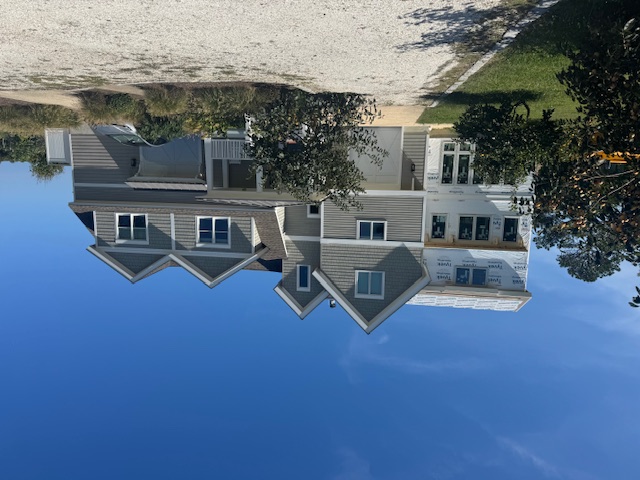
1. Check for Cracked, Curled, or Missing Shingles
Your shingles have already endured months of intense summer heat, ultraviolet exposure, humidity, and thunderstorms. That stress can leave asphalt shingles brittle, warped, or loose before winter even begins.
From the ground, look for:
- Missing shingles or visible gaps in the roof surface
- Cracked, split, or curled shingle tabs
- Shingles that appear lifted or out of alignment
- Bare or discolored areas where granules have worn away
- Excessive granules collecting in gutters or at downspout outlets
- Damaged ridge caps along the peak of the roof
A damaged shingle may not cause an immediate interior leak. However, winter wind and repeated freezing can make the problem worse. Once moisture enters beneath the shingle, it can affect the underlayment, decking, insulation, and interior ceiling.
Do not climb onto a steep or wet roof to inspect it yourself. A visual inspection from the ground can identify obvious concerns, but a professional roofer can safely check areas that are difficult to see.
2. Repair Flashing Around Chimneys, Vents, and Skylights
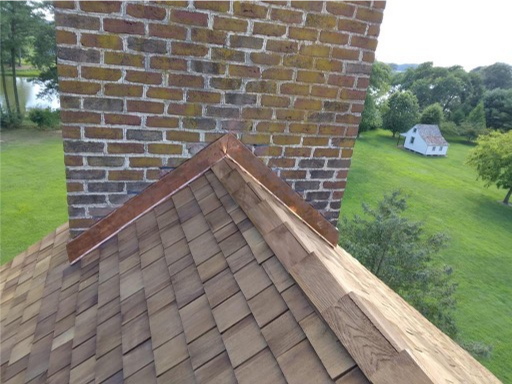
Roof flashing protects the areas where roofing materials meet vertical surfaces or roof penetrations. These include chimneys, plumbing vents, skylights, dormers, and roof-to-wall transitions.
Flashing deserves special attention before winter because freeze-thaw expansion can widen existing gaps. Water may enter through a small separation in the flashing or sealant, freeze overnight, and expand. Over time, that repeated movement can create a larger opening.
Look for:
- Lifted or rusted flashing
- Cracked or deteriorated sealant
- Gaps where flashing meets brick, siding, or shingles
- Water stains below chimneys, skylights, or vent pipes
- Damaged rubber boots around plumbing vents
- Loose metal around roof edges or dormers
Flashing repairs are not always major projects. Replacing a failed boot, resealing a transition, or repairing a small section of flashing may be enough to stop a leak. The important step is identifying the problem before cold weather and wind-driven rain test the roof.
3. Clean Gutters and Downspouts After Leaf Drop
Gutters should be cleaned after most leaves have fallen and before temperatures remain below freezing. Leaves, pine needles, and roof debris can block water from reaching the downspouts.
Clogged gutters are among the most common preventable causes of ice dams. When water cannot drain properly, it can back up beneath shingles, freeze along the eaves, and damage fascia boards, soffits, and roof edges.
Before winter, confirm that:
- Gutters are free of leaves and sediment
- Downspouts are not blocked
- Gutter sections are firmly attached and not sagging
- Water flows toward the downspouts
- Downspouts discharge water several feet away from the foundation
- Seams and end caps are not leaking
If your home is surrounded by mature trees, gutters may need attention more than once during the fall. Gutter guards can reduce debris, but they do not eliminate the need for periodic inspection and cleaning.
Never use a ladder near overhead power lines, and avoid cleaning gutters from an unstable ladder or icy ground. A professional can inspect the drainage system while checking the roof edges and flashing at the same time.
4. Improve Attic Insulation and Ventilation
A well-insulated, properly ventilated attic helps your roof maintain a more consistent temperature during winter. It also helps prevent the uneven snowmelt that contributes to ice dams.
Warm air escaping from the living space can heat portions of the roof deck. Snow melts over those warmer areas, flows toward colder eaves, and refreezes. The resulting ice dam can force water beneath shingles.
For many homes, an attic insulation target in the range of R-38 to R-60 may be appropriate, depending on the home’s existing insulation, construction, and energy-efficiency goals. ENERGY STAR provides additional guidance on recommended insulation levels for different climate zones.
Insulation is only part of the solution. Make sure:
- Soffit vents are open and unobstructed
- Ridge or high exhaust vents are working correctly
- Insulation is not covering the soffit intake areas
- Baffles maintain a clear air channel beneath the roof deck
- Attic hatches and penetrations are properly air-sealed
- Bathroom and kitchen exhaust fans vent outdoors rather than into the attic
- There are no signs of condensation, mold, or moisture staining
The goal is a cold, dry roof assembly with balanced ventilation: not simply adding insulation wherever there is available space. If you are unsure what your attic needs, have a professional evaluate the insulation, ventilation, and air-sealing together.
5. Trim Branches Within 6 to 10 Feet of the Roofline
Branches that hang near the roof can scrape away protective granules, damage shingles, and drop leaves into gutters. During a winter storm, snow, ice, and wind can also cause weak or dead branches to break.
As a general precaution, trim branches within approximately 6 to 10 feet of the roofline. Pay close attention to:
- Dead or visibly weakened limbs
- Branches that touch or scrape the roof
- Trees leaning toward the home
- Limbs overhanging chimneys, skylights, or service lines
- Branches that create heavy leaf buildup in gutters
Tree work can be dangerous, especially near power lines or on steep terrain. Consider hiring a qualified tree professional rather than attempting to remove large limbs yourself.
6. Check for Leaks and Water Stains Before Cold Weather
Some roof leaks are easy to spot. Others only appear during wind-driven rain or when melting snow finds a vulnerable opening.
Walk through the upper floors and attic before cold weather arrives. Look for:
- Brown or yellow ceiling stains
- Damp insulation
- Peeling paint near ceilings or upper walls
- Musty odors
- Dark marks on roof decking or rafters
- Soft spots around chimneys, skylights, and vents
- Drips or moisture after heavy rain
Do not assume an old water stain is harmless. A stain may represent a past leak, an active leak, or an area where moisture has been trapped. Cold weather can make roof repairs more difficult, while ice and snow may hide the source of a problem.
Finding and addressing the cause before winter gives you more options. In some cases, a targeted repair may be all that is needed. At Peninsula Roofing Company, we believe property owners deserve honest repair-versus-replace guidance rather than an automatic recommendation for a full replacement.
7. Schedule a Professional Inspection Before November
A professional inspection is the best way to bring the checklist together. Schedule it before November, while weather conditions still allow repairs to be completed safely and efficiently.
A thorough pre-winter inspection should evaluate:
- Shingles and ridge caps
- Flashing and roof penetrations
- Gutters and downspouts
- Roof edges, soffits, and fascia
- Attic insulation and ventilation
- Signs of leaks or deteriorated decking
- Branches and debris near the roofline
- Previous storm damage or temporary repairs
A professional inspection can also help you prioritize. Not every issue requires the same response. Some problems need immediate attention, while others can be monitored or included in a planned maintenance schedule.
Peninsula Roofing Company has served Delmarva since 1947: more than 75 years of experience working with the region’s homes and businesses. Our residential and commercial teams provide roofing repairs, replacement, maintenance, and 24/7 storm response. We focus on practical, cost-effective solutions that fit the condition of the roof and the property owner’s budget.
Protect Your Roof Before the First Frost
Delmarva winters may bring freezing rain, snow, high winds, coastal moisture, and repeated temperature swings. Preparing your roof early can help prevent leaks, ice dams, interior damage, and emergency repair costs.
Start with the basics: inspect the shingles, repair flashing, clean the gutters, evaluate attic insulation and ventilation, trim nearby branches, investigate stains, and schedule a professional inspection before November.
If you own a home in Salisbury, MD, and need help from an experienced roofer Salisbury homeowners can rely on, contact Peninsula Roofing Company to request a free pre-winter inspection. You can also learn more about our residential roofing, repair, maintenance, and storm response services or call 410-742-6163 for assistance, including 24/7 emergency response.
Frequently Asked Questions
When should Salisbury homeowners prepare their roofs for winter?
Ideally, schedule roof maintenance and inspections in early fall and complete necessary repairs before November. This leaves time to address problems before the first frost, snow, or extended period of wet weather.
What attic insulation level helps prevent ice dams?
Many homeowners may benefit from attic insulation in the range of R-38 to R-60, depending on the existing assembly and local conditions. Insulation should be paired with proper air sealing and clear, balanced ventilation.
Can a few missing shingles wait until spring?
It is best not to assume they can. Missing shingles expose the underlayment and roof deck to wind-driven rain, snow, and freezing temperatures. A professional inspection can determine whether a small repair is sufficient.
What should I do if a winter storm causes a roof leak?
Move valuables away from the affected area, place a container beneath active dripping if it is safe, and avoid climbing onto the roof. Contact a roofing company with 24/7 storm response services to help protect the property and identify the source of the damage.