

If your roof is nearing the end of its service life, fall is usually the best season to replace it in Salisbury, MD, and throughout Delmarva. Temperatures are moderate, roofing materials are easier to handle, and crews can complete the work before winter brings freezing temperatures, wind-driven rain, and moisture problems.
The timing matters for more than convenience. Asphalt shingles rely on heat to form a lasting bond. When a roof is installed during cold weather, that bonding process becomes slower and more labor-intensive: and the roof may be more vulnerable until the shingles properly seal.
Why asphalt shingles need warmth to seal
Most asphalt shingles have a thermally activated adhesive strip on the back. Once the shingles are installed and exposed to adequate warmth and sunlight, the strip softens and bonds each shingle to the course below it.
That adhesive creates an important layer of protection against wind uplift. The nails hold the shingles in place, but the sealant strip helps keep the tabs secured during storms and high winds.
As a general rule, asphalt shingles perform best when installed in moderate conditions, roughly between 45 and 85 degrees Fahrenheit. For Salisbury roofing projects, daytime temperatures in the 50- to 70-degree range are often ideal. The shingles remain flexible enough to handle, while the adhesive can activate and bond before the weather turns colder.
The exact requirements vary by manufacturer and product. For example, GAF’s cool-weather installation guidance identifies approximately 40 degrees as an important threshold for normal self-sealing. CertainTeed also provides cold-weather installation guidance for its products.
What happens when you wait until winter?
Once temperatures drop below approximately 40 to 50 degrees, standard shingle adhesive strips may not activate on their own. The roof can still be installed, but the contractor must take additional steps to create an immediate bond.
That usually means hand-sealing each shingle tab with an approved roofing cement or sealant. Instead of relying only on the factory-applied adhesive strip, the installer applies sealant beneath the tabs individually.
This process has several practical consequences:
- Installation takes longer. Each shingle tab must be manually sealed rather than allowing the roof to seal naturally through warmth and sunlight.
- Labor costs may increase. Hand-sealing thousands of shingle tabs requires additional time and materials.
- Cold shingles are more difficult to handle. Asphalt shingles become stiffer and more brittle in low temperatures, increasing the risk of cracking, tearing, or nail damage.
- The roof is more weather-dependent. Frost, ice, moisture, wind, and short daylight hours can delay installation.
- Early wind exposure becomes a greater concern. If shingles are not properly hand-sealed, they may be vulnerable to lifting before warmer weather allows the adhesive to activate.
A cold-weather installation is not automatically defective, and winter replacement is possible when necessary. However, the installation must follow the instructions for the specific shingle product. If a contractor does not follow required cold-weather procedures, warranty coverage: particularly for wind-related damage: may be affected. Homeowners should ask how the installer will address temperature, material storage, hand-sealing, and manufacturer requirements before approving a winter project.
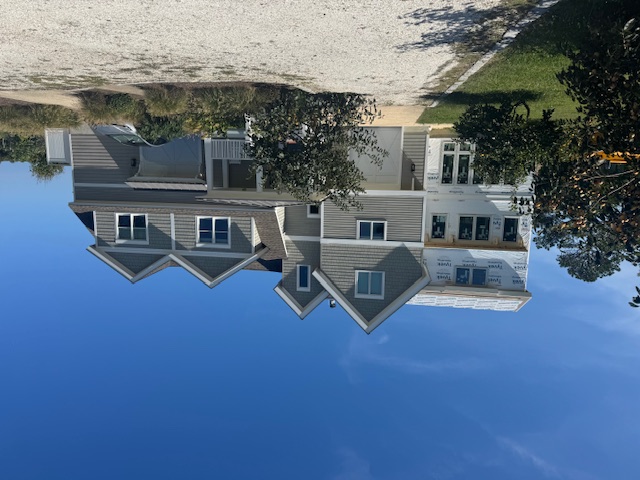
Fall gives your new roof time to seal before winter
One of the most important advantages of fall roofing is that the shingles have time to bond before the first hard freeze.
A roof replacement completed during a mild fall week may receive several days of moderate temperatures and sunlight. That gives the adhesive strip an opportunity to activate and create a more secure seal across the roof surface.
This matters because Delmarva weather can change quickly. A roof that appears complete may still need time to develop its full wind resistance. Installing it before winter gives the roof a better chance to be fully sealed before it faces:
- Freezing temperatures
- Strong coastal winds
- Wind-driven rain
- Snow and ice
- Rapid freeze-thaw cycles
- Storm debris and falling branches
Salisbury and the surrounding Delmarva Peninsula experience a combination of coastal humidity, seasonal temperature swings, and storm exposure. Those conditions make it especially important to avoid leaving newly installed but unsealed shingles exposed to severe weather.
Moderate temperatures make the work safer and more efficient
Fall is also a practical season for the roofing crew. Summer roof surfaces can become extremely hot, while winter introduces cold-related handling concerns and shorter workdays.
Moderate fall temperatures help roofing professionals:
- Work more safely and comfortably
- Handle shingles without excessive softening or brittleness
- Complete tear-off and installation more efficiently
- Keep roof decking dry during the project
- Reduce weather-related interruptions
- Finish the roof before winter emergency calls increase
For homeowners, a shorter and more predictable project means less disruption around the property. Most residential roof replacements can be completed in a few days, depending on the size, roof design, decking condition, weather, and selected materials.
Fall can help you avoid the winter emergency-repair scramble
Waiting until winter can turn a planned replacement into an emergency. A roof that has been marginal for months may finally fail after a strong storm, freezing rain, or a cycle of thawing and refreezing.
Winter roof failures often begin with conditions that were visible earlier in the year, including:
- Missing or lifted shingles
- Exposed or deteriorated underlayment
- Cracked flashing
- Failing pipe boots
- Soft or damaged decking
- Granule loss
- Attic moisture or ceiling stains
- Sagging roof areas
Once water enters the roof system, the problem may extend beyond the shingles. Wet insulation, damaged decking, stained ceilings, mold growth, and interior repairs can add to the cost.
A fall roof assessment gives homeowners time to determine whether the roof needs a repair, maintenance, or complete replacement. It also provides an opportunity to schedule the work before winter demand increases.
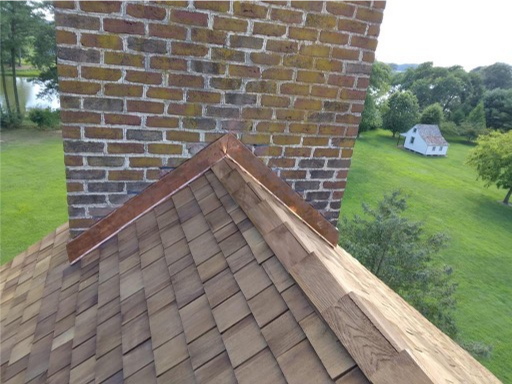
Fall is a good time to bundle related roofing work
When a roofing crew is already on site, fall can be an efficient time to address other components that affect the roof’s performance.
A thorough replacement assessment may identify the need for:
- Improved attic ventilation
- New pipe boots or roof penetrations
- Chimney flashing repairs
- Replacement of deteriorated roof decking
- New gutters or downspouts
- Repairs around skylights
- Updated drip edge
- Improved ice and water protection in vulnerable areas
Ventilation deserves particular attention. A roof replacement without adequate attic ventilation can leave moisture and heat trapped beneath the roof system. In Salisbury’s humid climate, proper airflow helps manage condensation and may support the long-term performance of the shingles and decking.
Gutters should also be inspected while the roof work is underway. They direct water away from the roof edge and foundation, but they must be properly pitched, securely attached, and free of accumulated debris.
What if your roof cannot wait until spring?
If your roof is actively leaking, has widespread storm damage, or shows signs of structural failure, postponing the work simply because it is winter may not be the safest choice.
A qualified roofing contractor can complete a winter replacement using cold-weather procedures such as:
- Storing shingles in a warm, dry location before installation
- Loading materials in smaller batches
- Installing during the warmest part of the day
- Keeping the roof surface free of frost, ice, and moisture
- Hand-sealing shingle tabs when required
- Following the manufacturer’s printed installation instructions
- Protecting exposed roof areas if weather interrupts the project
The important distinction is that winter roofing is possible, but it is less forgiving. The work may take longer, cost more, and depend more heavily on daily weather conditions.
A professional roofer should also explain whether replacement is genuinely necessary. An aging roof does not automatically require a full tear-off if the damage is limited and the underlying system remains sound.
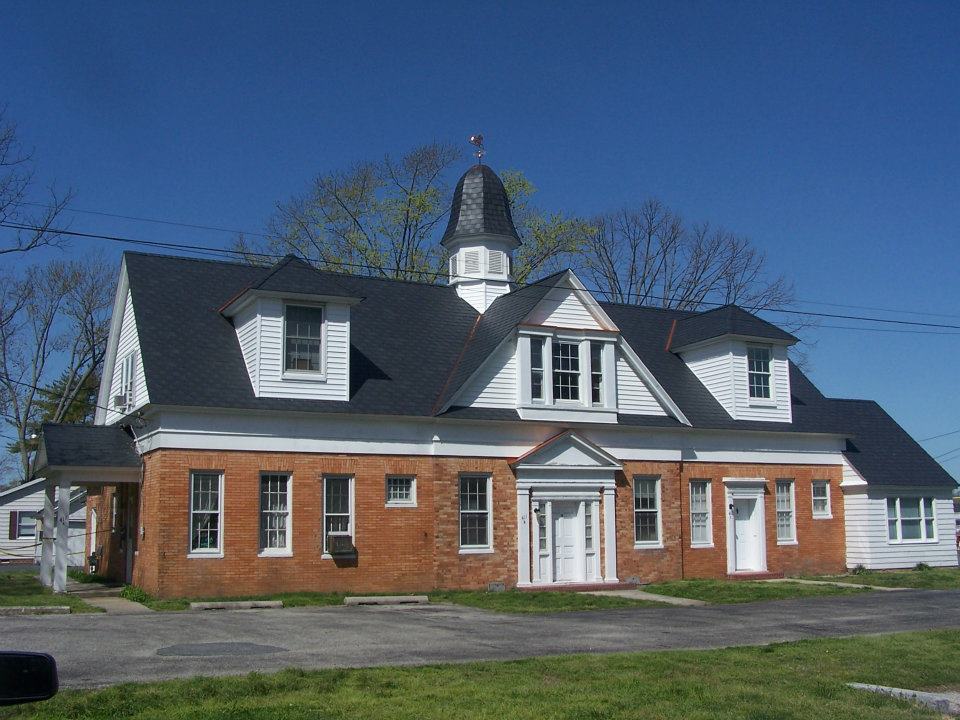
Choosing a roofing company in Salisbury, MD
Peninsula Roofing Company, Inc. has served Delmarva since 1947, providing residential and commercial roofing services throughout Salisbury, MD, and surrounding communities.
Our team provides free, in-person roof inspections and explains the condition of the roof before recommending a solution. If a targeted repair can safely extend the life of the roof, we will explain that option rather than automatically recommending replacement.
For homeowners who do need a new roof, Peninsula Roofing can help with material selection, project planning, financing options, and the permit process for replacement work. Our residential and commercial teams handle a range of roofing systems, including asphalt shingles, metal roofing, and low-slope roofing.
You can learn more about our roofing services, read about our company’s history and experience, or contact Peninsula Roofing to request an inspection.
Schedule your fall roof assessment before the calendar fills
Fall is the best time to replace a roof in Salisbury because the weather supports proper shingle bonding, efficient installation, and preparation before winter. Waiting until temperatures fall below the normal sealing range can add labor, increase material-handling risks, and leave the roof more dependent on manual sealing and favorable weather.
If you are unsure whether your roof needs repair or replacement, schedule an assessment before the fall roofing calendar fills. Peninsula Roofing Company has more than 75 years of experience serving Delmarva and is available 24/7 for urgent roofing problems.
Call 410-742-6163 or contact Peninsula Roofing online to book a fall roof assessment.