

For many property owners in Salisbury, MD, a roof replacement is a significant investment that often comes with a desire to cut costs where possible. One of the most common questions we hear at Peninsula Roofing Company, Inc. is: “Can we just put the new shingles over the old ones?”
While a “roof-over” (or recover) is technically possible in some limited circumstances, there is a hard legal ceiling that stops many projects in their tracks. In Salisbury, and throughout Maryland, building codes strictly limit the number of roof layers a building can support. If you already have two layers of roofing, your next project must be a full tear-off.
This isn’t just a recommendation from your roofer: it is the law. Whether you are managing a commercial warehouse or a historic home near Downtown Salisbury, understanding the International Residential Code (IRC) and the International Building Code (IBC) is essential for your safety, your budget, and your insurance coverage.
The Law in Salisbury, MD: Two Layers and You’re Out
The City of Salisbury follows the state-mandated building codes, which include the International Residential Code (IRC) for one- and two-family dwellings and the International Building Code (IBC) for commercial structures.
According to these codes, a new roof covering cannot be installed without first removing the existing layers if any of the following are true:
- The existing roof has two or more applications of any type of roof covering.
- The existing roof is water-soaked or has significant structural deterioration.
- The existing roof material is wood shake, slate, clay, or asbestos tile.
If your home or business currently has two layers of shingles or membrane, you have reached the legal limit. To add a third would be a code violation, and no reputable Salisbury roofer will agree to do it. But why are these codes so strict? It isn’t about red tape; it’s about physics, chemistry, and long-term durability.
1. The Weight Problem: Structural Integrity
The primary reason for the two-layer limit is weight. Most residential roofs are engineered to support the weight of the roof deck, one or two layers of shingles, and a specific “snow load” common for the Delmarva winters.
A single “square” (100 square feet) of standard asphalt shingles weighs between 200 and 250 pounds. When you have two layers, you are already putting 400 to 500 pounds of dead weight on every 10-foot by 10-foot section of your roof. Adding a third layer would push that weight toward 750 pounds per square.
Over time, this excessive weight causes:
- Rafter Deflection: The wooden supports of your roof may begin to sag or “smile” under the pressure.
- Wall Stress: That weight is transferred down through the walls of your home. In older Salisbury homes, this can lead to cracked plaster, sticking doors, and even foundation settlement.
- Deck Failure: The plywood or OSB roof deck wasn’t meant to be sandwiched under half a ton of material.
2. The “Mold Sandwich”: Moisture Entrapment
One of the most dangerous side effects of multiple roof layers is the entrapment of moisture. When we perform a residential roof replacement, our goal is to ensure the wood deck is dry and healthy.
If you install a new layer over an old, failing layer, you are effectively creating a “moisture sandwich.” Heat from the Salisbury humidity gets trapped between the layers, causing condensation. Because the moisture has nowhere to go (it’s blocked by the new shingles on top and the old ones below), it begins to rot the wooden deck from the outside in.
By the time you notice a leak inside your house, the rot may have spread across large sections of your roof deck, turning a simple shingle replacement into a much more expensive project involving the replacement of dozens of sheets of plywood.
3. Fastener Integrity: Nailing into Sponges
A roof is only as strong as its fasteners. To withstand the high winds we see during storm season on the Delmarva Peninsula, shingles must be nailed directly into the solid wood of the roof deck.
When a roofer installs a second or third layer, the nails must be long enough to pass through the new shingles, the old shingles, and then bite into the wood.
- Short Nails: If the nails aren’t long enough, they just sit in the old, brittle shingles. The next high-wind event could peel your new roof off like a banana skin.
- Thermal Expansion: Shingles expand and contract with the temperature. With multiple layers, the shingles move at different rates, which can “back out” the nails over time, leading to leaks and shingle loss.
4. Commercial Realities: The IBC and IECC
For commercial property owners in Salisbury, MD, the stakes are even higher. While the two-layer rule still applies under the IBC, there are additional complications related to energy codes and structural loads.
HVAC and Roof Loads
Many commercial buildings feature flat roofs that house massive HVAC units. These units already place a significant load on the steel or concrete deck. Adding extra layers of heavy membrane can compromise the structural safety of the building, especially when you factor in the weight of ponding water or snow.
Energy Codes (IECC)
Modern energy codes are incredibly strict about R-values (insulation). Often, when we perform a full tear-off on a commercial building, we are required to bring the insulation up to current standards. While a “recover” might seem like a way to save money upfront, it may actually cost you more in energy bills over the next 20 years because you missed the opportunity to properly insulate the building.
5. The Insurance and Warranty Trap
Even if you found a contractor willing to ignore the Salisbury building codes and install a third layer, you would likely be throwing your money away.
- Manufacturer Warranties: Almost every major shingle manufacturer (like GAF or CertainTeed) will void your warranty if the shingles are installed over more than one existing layer. If the shingles fail prematurely due to heat buildup or poor nailing, you are on your own.
- Homeowners Insurance: If you have a claim for wind or hail damage, an insurance adjuster will check the number of layers. If they find your roof was installed against local code (i.e., it has three layers), they may deny the claim entirely, citing “illegal construction.”
When is a Recover Actually Okay?
We don’t always recommend a full tear-off on commercial roofs if it isn’t legally or structurally necessary. A second layer (a “recover”) can be a viable option if:
- The current roof has only one layer.
- The roof deck is verified to be dry and in excellent condition.
- The structure can handle the additional weight.
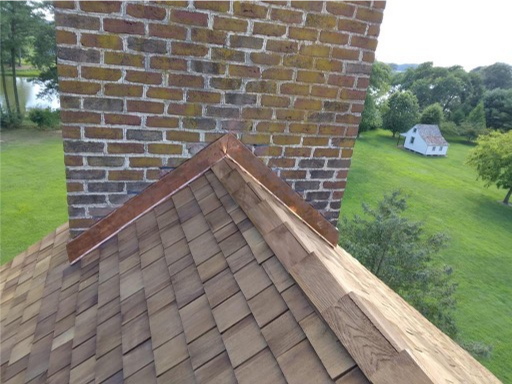
However, at Peninsula Roofing Company, Inc., we often find that the cost of a tear-off for shingle roofs is always a better option. A clean deck allows us to install high-quality ice and water shields, check for hidden rot, and ensure that every flashing: especially around critical areas like chimneys: is perfectly sealed.
Conclusion: Trust the Experts Since 1947
Roofing isn’t just about the shingles you see from the street; it’s about the system underneath that protects your family or your business. At Peninsula Roofing Company, Inc., we’ve been serving the Salisbury, MD area since 1947. We know the local codes, we know the local climate, and we know how to build a roof that lasts.
If you’re unsure how many layers are on your roof, or if you’ve been told you need a full tear-off and want a second opinion, contact us today. We’ll give you an honest assessment and help you find a solution that fits your budget without cutting corners on safety or legality.