

Living on the Delmarva Peninsula is a bit of a double-edged sword. On one hand, we get the beautiful coastal breeze and the distinct four seasons that make Salisbury, MD, such a great place to call home. On the other hand, those same elements: the salt air, the high-octane humidity, and the occasional Atlantic gale: are absolute killers for your roof.
At Peninsula Roofing Company, Inc., we’ve been looking at roofs across this region since 1947. Over nearly eight decades, we’ve seen it all. We’ve seen roofs that were installed yesterday and roofs that have somehow survived since the Truman administration. But the one thing that remains constant is that most people don’t actually know what happens during a professional inspection. They think we just climb a ladder, walk around for five minutes, and tell them they need a new roof.
That’s not how we do things. We follow what we call the “Peninsula Playbook.” It’s our systematic way of evaluating a structure with a “repair first” mindset. Our goal isn’t to sell you the most expensive replacement possible; it’s to keep your building dry and your costs down by catching the small stuff before it turns into a nightmare.
Our “Repair First” Philosophy
Before we dive into the technical zones, it’s important to understand where we’re coming from. We know that a roof replacement is a major capital expense. Whether you’re a homeowner in a Salisbury subdivision or managing a commercial warehouse near the bypass, you aren’t looking to spend thousands of dollars on a whim.
That’s why we have a dedicated team just for the small stuff. If we can get another five or ten years out of your existing roof through targeted repairs or a high-quality coating, that’s what we’re going to recommend. Catching a backed-up nail or a cracked piece of flashing today might cost a few hundred dollars. Ignoring it for two years could lead to rotted decking, mold in the attic, and a mandatory $20,000 replacement.
Zone 1: The Surface (The Visual Health Check)
The first thing we look at is the actual “skin” of the roof. This is what most people notice from the ground, but the real story is found up close.
Residential Shingles
For our residential neighbors in Delmarva, we’re looking for signs of aging and weather stress. This includes:
- Granule Loss: If your gutters look like they’re filled with sand, your shingles are losing their UV protection.
- Curling or Cupping: This happens when the shingles dry out and lose their flexibility, making them prone to snapping off in high winds.
- Missing or Cracked Shingles: Even one missing shingle is an open door for water.
Commercial Membranes
On flat or low-slope commercial roofs, the surface check is different. We’re hunting for:
- Blistering: Trapped moisture under the membrane that expands in the heat.
- Ponding Water: If water is sitting on your roof 48 hours after a rain, you’ve got a drainage issue that’s putting thousands of pounds of unnecessary weight on your structure.
- Open Seams: The glue or heat-welds that hold the roof together can fail over time.
Zone 2: Flashing & Penetrations (The Vulnerable Spots)
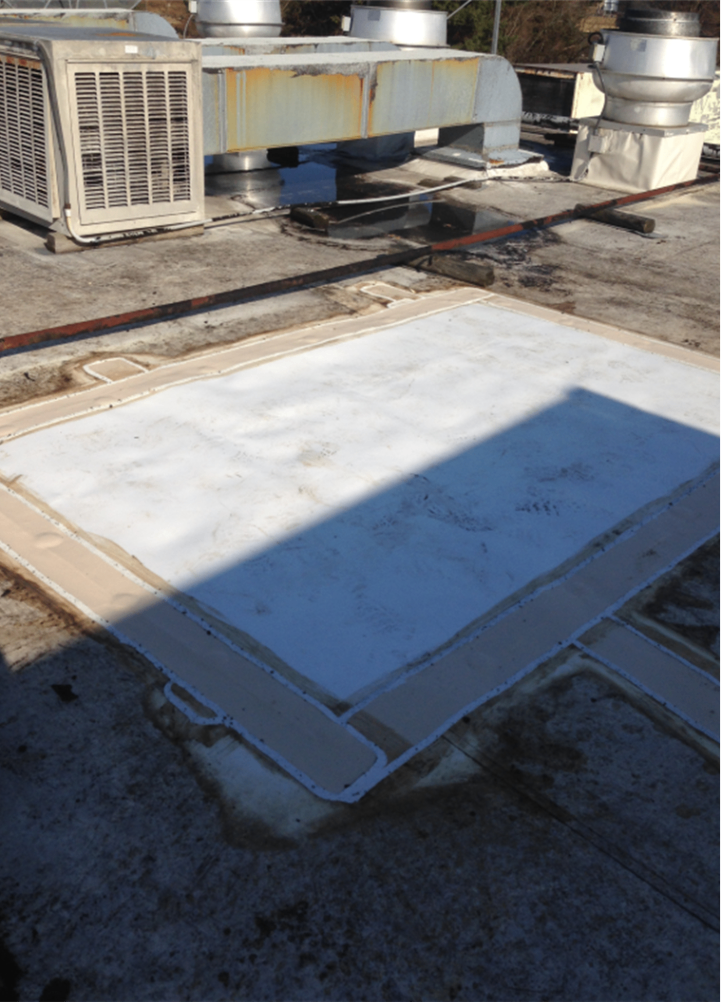
If a roof is going to leak, 90% of the time it’s going to happen at a “penetration”: anywhere something pokes through the roof or where the roof meets a wall. This is the “Zone of Vulnerability.”
When we run the Peninsula Playbook, we spend a huge chunk of our time inspecting:
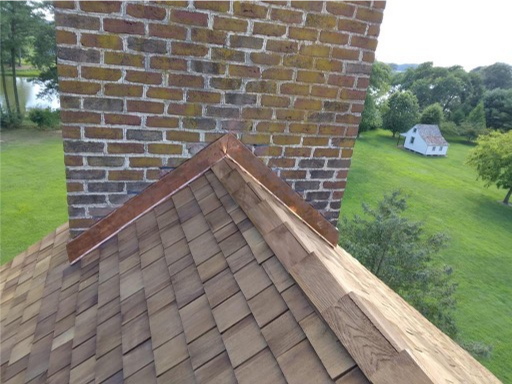
- Chimneys and Skylights: We check the metal flashing around these areas. If the sealant is cracked or the metal is rusted, water will find its way behind the shingles.
- Plumbing Vents: Those little pipes sticking out of your roof have rubber “boots” around them. In the Maryland sun, those boots rot and crack long before the shingles do.
- HVAC Curbs: On commercial buildings, the heavy units sitting on the roof are prime spots for leaks. We check the seals and the “sleepers” that support them to ensure everything is watertight.
Zone 3: Drainage (The Water Path)
A roof’s only job is to get water away from the building. If the water gets stuck, the roof fails. We look at the entire path water takes from the peak to the ground.
- Gutters and Downspouts: Are they pulling away from the fascia? Are they clogged? If water backs up in the gutter, it can get under the bottom row of shingles and rot the edge of your roof deck.
- Commercial Scuppers and Drains: On flat roofs, these are the lifelines. We check for debris, bird nests, and mechanical failures that prevent the roof from “clearing” itself after a storm.
- Pitch Assessment: Sometimes, buildings settle over time, creating “low spots” where water pools. We identify these areas and monitor them for failures from additional stress, and may suggest additional material to build up the area if appropriate.
Zone 4: Ventilation (The Exterior Airflow Check)
This is a big one, and it’s often misunderstood. You might think we need to crawl into your dark, dusty attic to check your ventilation, but we can actually learn a lot from the outside. Proper airflow is what keeps your roof from “cooking” from the inside out.
When we check for clear ventilation without entering the attic, we look for:
- Intake Vents (Soffits): We check the perforated panels under your eaves. Are they painted over? Are they clogged with dust or insulation? If air can’t get in, the whole system fails.
- Exhaust Vents (Ridge Vents or Power Fans): We inspect the ridge at the top of your roof to make sure the vent is clear and not crushed.
- Signs of “Baking”: If a roof is poorly ventilated, the shingles will often look “fried”: they’ll be brittle and lose granules much faster than they should. In the summer, an unventilated attic in Salisbury can reach 160 degrees, which literally melts the adhesive on your shingles.
By verifying that the airflow path is clear from the outside, we can often diagnose why a roof is aging prematurely without ever stepping foot inside your living room.
Why Catching the “Small Stuff” Matters
The whole point of the Peninsula Playbook is to save you money in the long run. We’ve seen too many property owners wait until they see a brown spot on the ceiling before they call a roofer. By that point, you aren’t just paying for a roof repair; you’re paying for drywall, paint, insulation, and potentially mold remediation.
Our maintenance programs are designed to identify the cracked boot, the loose flashing, or the clogged scupper today. These are the “small things” that, when fixed, extend the life of your roof by years.
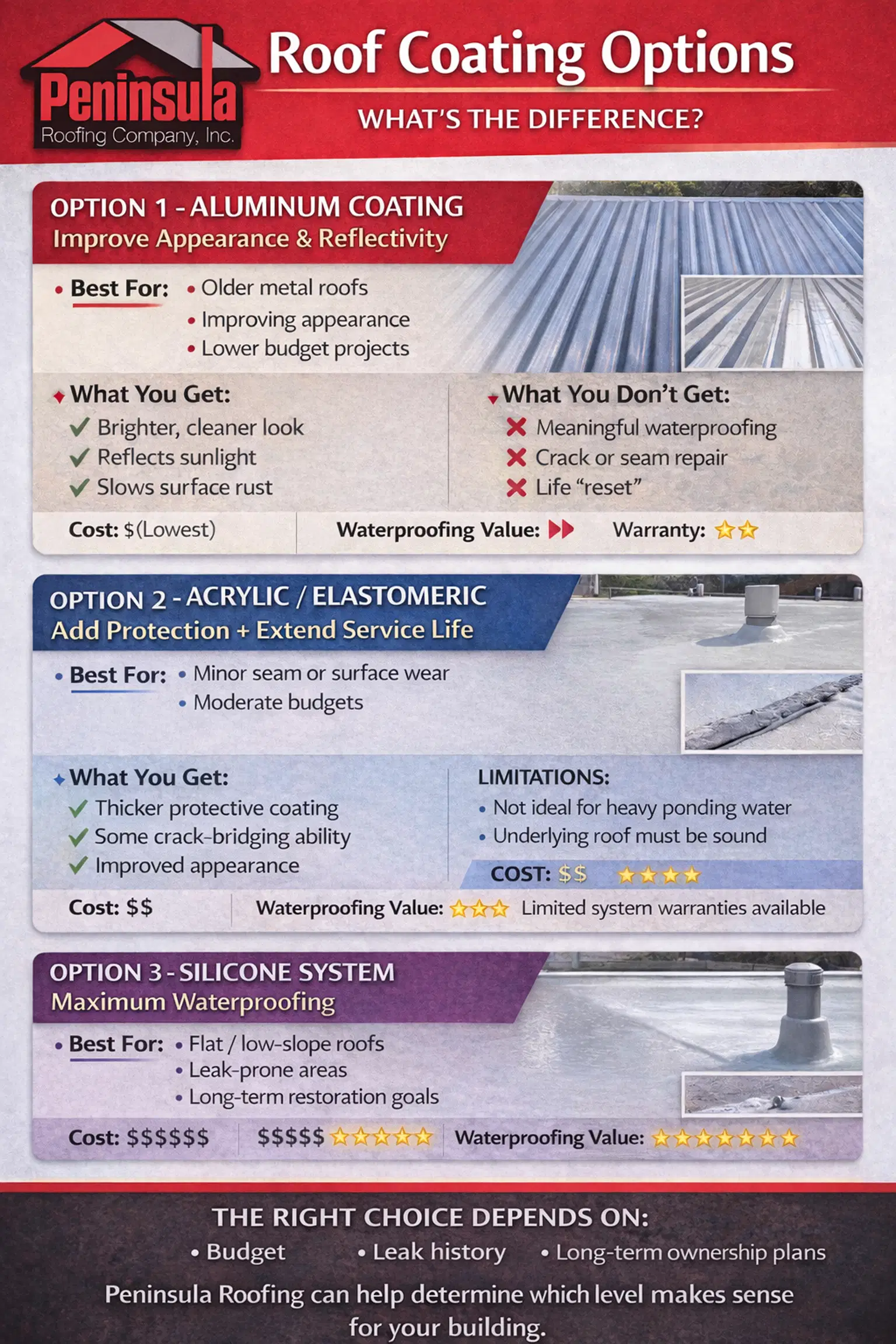
If you’re curious about how your roof is actually holding up against the Delmarva weather, don’t wait for a leak. Let us run the Peninsula Playbook on your property. Whether it’s a quick fix to get you back in shape or a discussion about long-term protection options, we’re here to give you the straight story.

Ready for an Inspection?
If you want a team that’s been trusted in Salisbury since 1947 to take a look at your roof, we’re ready to help. We provide honest assessments for both residential and commercial properties throughout the Delmarva area.
Don’t wait for the next big storm to find out where your roof stands.
Contact Peninsula Roofing Company, Inc. Today or give us a call at 410-742-6163. We’ll bring the ladder and the playbook( you just bring the peace of mind.)