

September is the climatological peak of the Atlantic hurricane season, and August through October is typically the most active stretch for tropical weather affecting the Delmarva Peninsula. That means Salisbury, MD homeowners should not wait until a storm appears in the forecast before thinking about their roofs.
By the time a named storm is in the cone, inspections, repairs, and materials may already be difficult to schedule. Local roofing companies in Salisbury, MD often receive a surge of calls as soon as a storm threatens the Eastern Shore.
The good news is that most storm-preparation mistakes are avoidable. Here are seven problems we see homeowners make during peak hurricane season: and what to do instead.
1. Waiting Until a Storm Is in the Forecast
The most common mistake is waiting for a hurricane or tropical storm watch before taking action.
A roof inspection is not always a same-day service, particularly after a storm forms. Roofing crews may already be committed to scheduled work, materials may need to be ordered, and weather conditions can prevent safe repairs. If your roof has a loose shingle or damaged flashing today, a forecast will not make the repair process faster tomorrow.
A better approach is to schedule a professional inspection before the next storm threatens Salisbury. An experienced roofer can identify vulnerable areas, explain which repairs are urgent, and help you prioritize work based on your budget.
You do not necessarily need a full replacement just because your roof is older. A careful inspection may show that targeted repairs and maintenance are enough to improve its condition before hurricane season intensifies.
2. Ignoring Small Roofing Problems
Wind and heavy rain rarely create every roof problem from scratch. More often, they exploit weaknesses that were already present.
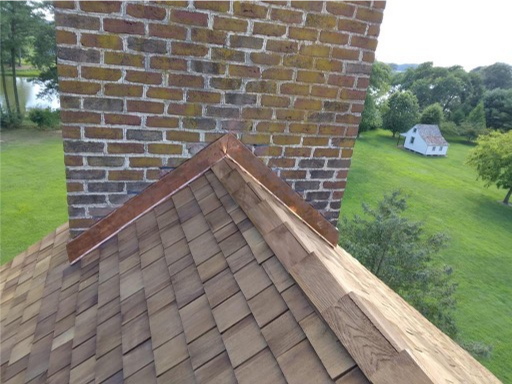
Loose or missing shingles, cracked pipe flashing, deteriorated sealant, exposed fasteners, and clogged gutters can all become entry points for wind and water. A small opening around a vent or chimney can allow significant moisture into the attic during a wind-driven rain event.
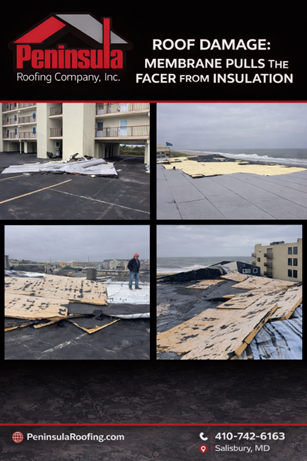
Walk around your property and look for warning signs from the ground:
- Shingles that appear lifted, curled, or out of alignment
- Granules collecting at the bottoms of downspouts
- Rust or gaps around flashing
- Water stains in the attic or on upper-floor ceilings
- Gutters pulling away from the fascia
- Debris collecting in valleys or around roof penetrations
Clear gutters and downspouts so rainwater can drain properly. However, we do not recommend installing gutter guards as a substitute for maintenance. Gutter guards can allow leaves and other debris to accumulate along the roof eaves, trap moisture against shingles and fascia, and contribute to rot. They still require cleaning, and the added components can make inspection and maintenance more difficult.
If you are unsure whether a problem requires a repair or replacement, a professional roof inspection and maintenance evaluation can provide a more useful answer than a quick visual check.
3. Failing to Document Your Roof Before the Storm
Many homeowners take photos after a storm but never document the roof’s condition beforehand. That leaves insurance companies without a clear baseline for comparing pre-storm and post-storm conditions.
Before the next major weather event, take timestamped photographs from the ground. Use a phone or camera to capture:
- Each roof slope, using safe ground-level angles
- Chimneys, skylights, vents, and flashing
- Gutters, downspouts, fascia, and soffits
- Exterior walls, windows, doors, and porches
- Attic areas and ceilings where they are safely accessible
Do not climb onto the roof to get a better picture. Ground-level photos and images taken with a zoom lens are safer. Store copies in cloud storage or email them to yourself so they are not lost if your phone is damaged.
These photos do not guarantee an insurance claim will be approved, but they give you and your insurer a clearer record of the property’s condition before the storm. Afterward, photograph new damage before cleanup whenever it is safe to do so. Keep receipts for emergency services, temporary repairs, tarps, and materials.
Your policy may have specific reporting requirements, deductibles, or exclusions. Review it before storm season and contact your insurance carrier promptly after a loss.
4. Climbing Onto a Wet or Windy Roof
A roof inspection is not worth a broken leg.
Wet shingles, strong gusts, hidden structural damage, and loose debris make roof access especially dangerous before and after a storm. Even a roof that looks intact from the ground may have weakened decking or concealed damage.
Homeowners should inspect from the ground, use binoculars when necessary, and check accessible attic spaces for signs of water intrusion. Look for damp insulation, daylight showing through roof boards, active dripping, or new stains. If the ceiling is sagging or water is near electrical fixtures, stay clear of the area and contact qualified professionals.
Peninsula Roofing performs safe, in-person roof inspections rather than relying on drones alone. A trained inspector can evaluate flashing, sealants, penetrations, gutters, roof surfaces, and other details that may not be visible from an aerial image. Learn more about why we use in-person roof inspections instead of drones.
5. Trusting “Rejuvenation” Treatments or Surface Coatings to Stop Hurricane Damage
Roof rejuvenation products and surface coatings may be marketed as an easy way to extend a roof’s life or improve its appearance. In some applications, coatings can play a legitimate role as part of a carefully designed roofing system. But a coating cannot correct every underlying problem, and it should not be treated as a guarantee against hurricane winds.
A surface treatment does not replace missing shingles, repair rotted decking, secure loose fasteners, rebuild failed flashing, or correct inadequate installation. It also does not automatically restore a roof’s original wind resistance.
Before applying any product, determine why it is being recommended and what it is actually designed to do. Ask whether the roof has structural damage, moisture beneath the surface, or failing materials that require repair first. Also confirm whether the product is compatible with your existing roofing system and whether its installation affects any manufacturer warranty.
An honest Salisbury roofer should explain when a coating is appropriate: and when it is simply covering up a problem. Peninsula’s approach is to identify the actual condition of the roof and recommend the most cost-effective solution, whether that means repair, restoration, maintenance, or replacement.
6. Leaving Tree Branches Within 10 Feet of the Roof
Overhanging branches are a serious storm hazard. During high winds, a branch can strike shingles, puncture a roof membrane, damage flashing, block gutters, or fall onto the roof and framing.
As a general precaution, keep branches at least 10 feet away from the roof when possible. Dead, weak, or diseased limbs should receive immediate attention, especially if they are positioned over bedrooms, driveways, or electrical service lines.
Do not attempt to cut large limbs near the roof or power lines yourself. Hire a qualified tree professional, and schedule the work before tropical weather is approaching. After trimming, remove branches and yard debris so they do not become airborne during a storm.
A tree inspection is also worthwhile if you have mature pines, damaged trees, or branches that have already fallen during previous thunderstorms. Preventing a roof strike is far less disruptive than arranging emergency repairs after one.
7. Calling Your Insurance Adjuster Before Getting Independent Roof Documentation
After a storm, many homeowners immediately call their insurance company and wait for an adjuster’s assessment. Reporting the claim promptly is important, but relying on a single inspection can leave you without a complete understanding of the roof’s condition.
An insurance adjuster evaluates the loss for the carrier. An independent, experienced local roofer evaluates the roofing system and documents the damage in detail. Those are different roles.
Before or alongside filing your claim, arrange for a qualified local roof inspection when it is safe. The roofer should photograph damaged areas, identify likely storm-related issues, note pre-existing conditions, and provide a written scope of necessary work. This documentation can help distinguish new wind or impact damage from ordinary wear and tear.
It can also reduce confusion if damage is initially overlooked or incorrectly classified. Never exaggerate damage, and do not authorize permanent repairs before documenting the condition. At the same time, do not delay temporary measures that prevent further interior damage. Keep photographs, invoices, and communication records, and follow the requirements in your policy.
A reputable roofer will explain what was found without promising that insurance will pay for every repair. Peninsula Roofing can work with your adjuster while giving you an independent assessment of what your property actually needs.
What Salisbury Homeowners Should Do This Week
If you have not prepared your roof for peak hurricane season, start with these steps:
- Schedule a professional inspection.
- Repair loose shingles, damaged flashing, and known leaks.
- Clean gutters and downspouts without relying on gutter guards.
- Photograph the roof and exterior from safe ground-level locations.
- Trim branches that extend within 10 feet of the roof.
- Review wind, hurricane, and flood coverage with your insurance professional.
- Save the contact information for a local emergency roofing company.
Peninsula Roofing Company has served Delmarva since 1947: more than 75 years of helping homeowners and businesses protect their properties. Our residential and commercial teams provide inspections, repairs, replacement, maintenance, and 24/7 emergency storm response. We also offer free inspections and honest repair-versus-replace guidance.
If your roof needs attention before the next storm, contact Peninsula Roofing or call 410-742-6163. We are available 24/7 throughout Salisbury, MD, and communities across Delmarva.
For official hurricane preparedness information, review guidance from Maryland Ready and monitor the National Hurricane Center’s Atlantic climatology and advisories.