

Your roof’s age can affect more than your insurance premium. At renewal, a carrier may change how it will pay for roof damage, or decide not to renew your policy. The change may not be obvious until you review the renewal documents or file a claim.
There is no Maryland law setting a universal roof-age cutoff, such as 15 years, after which a home must lose coverage. Instead, carriers set their own underwriting rules. Some may scrutinize older roofs, limit roof coverage to actual cash value, or decline renewal based on age or condition. The key is to check your own policy rather than assume that your roof still has the coverage you expect.
The Maryland Insurance Administration’s 2024 homeowners insurance market survey found that carriers’ practices vary: some apply roof-age restrictions, while others do not. A roof approaching 15 years may prompt closer review, but that is not a statewide cutoff or a guarantee that your coverage will change.
RCV vs. ACV: Why the Difference Matters
Two common ways insurers settle covered roof losses are replacement cost value (RCV) and actual cash value (ACV). Your policy’s terms and any roof-specific endorsement determine which applies.
- Replacement cost value (RCV): The policy pays the covered cost to repair or replace damaged roofing without deducting depreciation, subject to your deductible, coverage limits, and policy terms. Many policies initially pay an amount based on ACV, then release recoverable depreciation after you complete the repair or replacement.
- Actual cash value (ACV): The policy deducts depreciation for the roof’s age and condition from the covered repair or replacement cost. On an older roof, that deduction can be substantial, leaving you to pay much more out of pocket.
For example, if a covered wind or hail loss requires replacing a 20-year-old roof, an ACV settlement may be only a fraction of the current replacement cost. The exact amount depends on the policy’s wording, roof condition, depreciation calculation, deductible, and the scope of covered damage.
The MIA’s roof replacement advisory explains how RCV and ACV work and cautions that coverage depends on the policy and the cause of damage. It also notes that insurance generally does not pay for ordinary wear and tear or deterioration.
When Does Coverage Change?
A roof-related coverage change commonly appears at renewal, when the insurer reviews the risk and issues new documents. A roof-specific ACV endorsement may be added even if other policy terms look familiar. That can be easy to miss if you focus only on the premium.
Check your declarations page and renewal packet for wording such as “actual cash value” tied to the roof or roof surfacing. Also look for roof-age limits, wind or hail limitations, and any new endorsements. The declarations page is a useful summary, but read the endorsement and policy language too; those documents explain what the limitation means.
If the carrier changes the settlement terms, ask your insurance agent or insurer what losses the endorsement applies to. Does it apply to all covered roof damage or only certain causes, such as wind or hail? When does the change take effect? Ask for an explanation in writing.
Why Carriers Review Older Roofs
Insurers evaluate risk, including the likelihood and potential cost of claims. Storm losses, the condition of the home, and the characteristics of older housing can all factor into underwriting. Carriers may use inspections or aerial imagery to assess a property at renewal.
That does not mean every image or age estimate is accurate. In Bulletin 25-10, the MIA says aerial or satellite imagery used to support a cancellation or nonrenewal should provide a clear, accurate, and current view of the property. Blurry or dated imagery may require further investigation; roof streaking or discoloration alone may not establish roof degradation.
What’s Different About Delmarva?
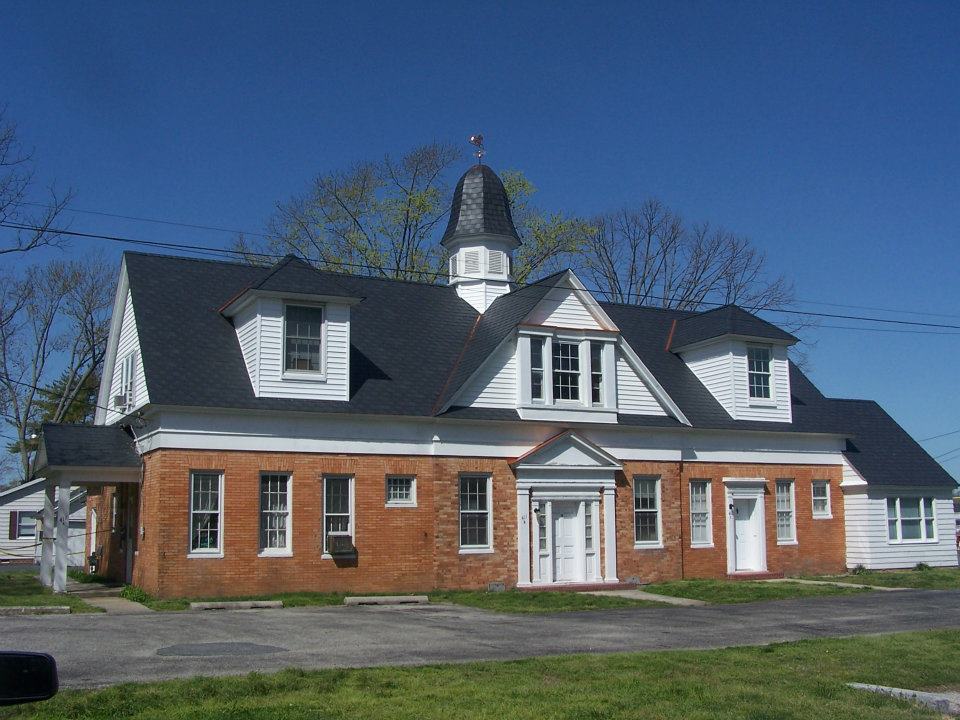
Along the coast, humidity, salt air, wind, and storm exposure can affect roofing materials and components. The degree of wear depends on the roof’s location, material, installation, ventilation, maintenance, and exposure, not just its age on a receipt.
You may encounter local estimates suggesting coastal roofs can have lifespans roughly 15–25% shorter than comparable inland roofs. Treat that as a planning estimate, not a guaranteed reduction or a universal engineering standard. A roof’s actual condition matters more than applying a fixed percentage to its age.
A Delmarva homeowner may also face a percentage-based wind, hail, or named-storm deductible. Check whether yours is a flat dollar amount or a percentage of dwelling coverage. The MIA’s homeowners insurance guide explains that percentage deductibles can substantially affect a claim payout. If an ACV roof endorsement and a percentage deductible both apply to a covered event, the total out-of-pocket cost can be higher than expected. For a related explanation, see our guide to named-storm deductibles in Maryland.
Five Steps to Take Before Renewal
- Read your declarations page and renewal documents now. Look for roof-specific ACV wording, roof-age restrictions, and wind, hail, or named-storm deductible terms. If you are unsure what a phrase means, ask your insurer or agent to explain it in writing.
- Document the roof’s condition. Take clear, dated photos from the ground, including the roof slopes and visible details. Keep records of installation, repairs, and maintenance. Documentation can help clarify the roof’s condition if an insurer raises a concern or a claim is filed.
- Address repair needs before renewal if practical. A professional assessment can distinguish a repairable issue from a roof nearing the end of its service life. Delaying maintenance can make it harder to respond to an underwriting concern, and ordinary deterioration is generally not an insured loss.
- If you receive a non-renewal notice, use the time to respond. Maryland generally requires at least 45 days’ notice for a homeowners policy non-renewal, except for nonpayment, which has a different notice period. Review the stated reason, request the inspection or imagery relied upon, and obtain a written roof-condition report. If you believe the insurer has acted improperly, you can contact the Maryland Insurance Administration for information about your options.
- Consider replacement when the roof’s condition supports it. A new roof may improve your options with some carriers and may qualify for mitigation or wind-resistance credits, depending on the insurer and documentation. But replacement does not guarantee RCV coverage or a premium reduction. A roof with useful service life remaining may be repairable, so make the decision based on condition, cost, and your insurer’s actual requirements, not age alone.

Get the Roof Checked Before You Need to File a Claim
A roof inspection can help you understand what is visible, what needs attention, and what documentation you may want to share with your insurer. Peninsula Roofing Company has served Delmarva since 1947, and our team provides in-person inspections rather than relying on drone images alone. Physical checks of details such as sealant, shingle tabs, and flashing can add useful context to photographs and a written condition report.
Our goal is to explain the roof’s condition and recommend repair when repair is the right solution, not to push replacement simply because a roof is older. Learn more about our roofing services or contact Peninsula Roofing to request a free inspection and written condition report before renewal season. For homeowners comparing roofing companies in Salisbury, MD, or looking for a roofer in Salisbury, a clear, documented assessment is a useful place to start.