

If you are considering solar panels for your home, you may have an important question: Can solar panels damage your roof?
The short answer is no: not when the roof is in good condition and the system is installed correctly.
Solar panels do not inherently damage a healthy roof. The real risks come from poor workmanship, installing an array on an aging roof, or failing to coordinate responsibilities and warranties between the roofing contractor and solar installer.
For homeowners in Salisbury, MD, and throughout Delmarva, there is another factor to consider: local humidity, coastal weather, wind-driven rain, and salt air can shorten roof life. A roof that appears serviceable from the ground may have less usable life remaining than its age suggests.
Before signing a solar contract, it is worth having the roof evaluated by an experienced local roofing company.
Properly installed solar panels should not cause roof leaks
Solar panels are attached to a roof using mounting hardware. On a shingle roof, that hardware typically requires penetrations through the roofing system. This means the installation must be treated as a roofing detail: not simply an electrical project.
When the work is done correctly, each attachment point should include:
- A lag bolt anchored securely into the roof structure, such as a rafter
- Metal flashing installed beneath the upslope shingle course
- Roofing materials properly integrated around the flashing
- Compatible sealant used as a secondary layer of protection
- Hardware suitable for the local weather and roof system
The metal flashing is the primary water-shedding barrier. Sealant should provide backup protection, but it should not be the only thing keeping water out.
Leaks associated with properly installed solar arrays are uncommon. Industry experience generally places leakage below 1% of installations, and when leaks do occur, they are almost always related to workmanship, pre-existing roof problems, or improper flashing.
Common installation mistakes include:
- Bolts that are not anchored into rafters or other structural framing
- Flashing that is skipped, installed incorrectly, or not woven into the shingle course
- Sealant used as the primary barrier instead of properly integrated metal flashing
- Mounts installed over damaged, brittle, or deteriorated shingles
- Inadequate documentation of where penetrations were made
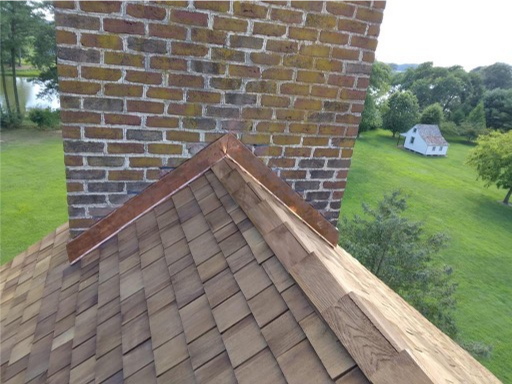
A qualified roofer or solar installer should be able to explain exactly how each roof penetration will be protected. If the answer is simply “we use a lot of caulk,” ask additional questions before proceeding.
The biggest concern may be your roof’s age: not the panels
Solar panels often remain productive for decades. That makes the age and condition of the roof beneath them especially important.
If your roof has less than 10 to 15 years of useful life remaining, installing solar panels may create an expensive timing problem. When the roof eventually needs replacement, the panels and mounting hardware typically must be removed and reinstalled.
That process can cost approximately $1,500 to $5,000 or more, depending on the size of the solar array, roof design, location, labor requirements, and permitting. The roof replacement itself is a separate expense.
Replacing the roof before installing solar: or coordinating both projects at the same time: may help you avoid:
- Paying twice for mobilization
- Removing and reinstalling panels
- Applying for a second permit
- Disrupting solar production
- Working around panels during roof replacement
- Disagreements about who is responsible for damage
The roof does not necessarily need to be brand new to support solar. However, it should be structurally sound, free of significant leaks, and expected to perform for a substantial portion of the solar system’s life.
Why roof-age math is different on Delmarva
A typical asphalt shingle roof may be advertised with a service life of 20, 25, or even 30 years. Those numbers are useful reference points, but they do not tell the whole story.
Across Delmarva, roofs are exposed to:
- High summer humidity
- Wind-driven rain
- Tropical storms and hurricanes
- Freeze-and-thaw cycles
- Strong ultraviolet exposure
- Salt air in coastal areas
- Moisture that can accelerate deterioration
Coastal humidity and salt air can shorten roof life by an estimated 15% to 25%, depending on the roof material, installation quality, ventilation, exposure, and maintenance history.
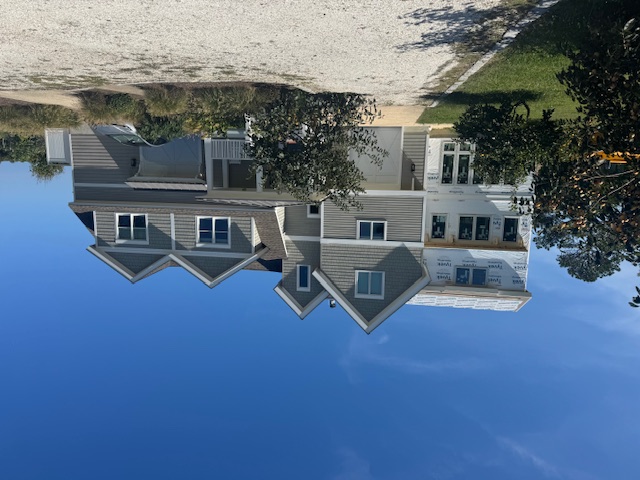
That means a 15-year-old roof in Salisbury, MD, may have significantly less usable life remaining than a homeowner expects. Age alone does not determine whether a roof is ready for solar, but age should prompt a careful condition assessment.
Solar panels do not automatically void your roof warranty
Installing solar panels does not automatically void a roof warranty. However, a poor installation can affect warranty coverage.
The concern is usually not the presence of the panels themselves. It is whether the mounting work follows the roofing manufacturer’s requirements and whether the solar contractor assumes responsibility for the penetrations.
Before work begins, ask for the following in writing:
- The roofing manufacturer’s requirements
Confirm that the proposed mounting and flashing methods are compatible with your roofing system. - A solar workmanship warranty of at least 10 years
The warranty should specifically address roof penetrations, flashing failures, and leaks caused by the solar installation. - Clear responsibility for future leaks
Your contract should explain whether the solar installer will inspect and repair leaks related to its work. - Photo documentation
Request photographs of every flashed penetration before the solar panels cover the work. - Coordination with your roofer
If you have an existing roof warranty, ask the roofing contractor what requirements must be followed to protect it.
Without clear documentation, homeowners can get caught between two companies when a leak appears. The roofer may point to the solar mounts, while the solar installer may point to the age or condition of the roof.
Good documentation helps establish what the roof looked like before installation and how the mounting system was installed.
Three questions Salisbury homeowners should ask before signing a solar contract
1. How much useful life does my roof actually have left?
Do not rely only on the installation date or a visual estimate from the ground. An experienced roofer should evaluate the shingles, flashing, roof deck, ventilation, penetrations, signs of moisture, and areas exposed to wind or salt air.
The goal is not automatically to recommend a replacement. If a targeted repair can reasonably extend the roof’s service life, that may be the more cost-effective option. The important thing is to understand the roof’s actual condition before adding solar.
2. How will every roof penetration be flashed?
Ask to see the proposed attachment detail. Metal flashing should be integrated into the shingle course so water sheds over the flashing and away from the penetration.
Sealant may be used as backup, but caulk alone is not a durable substitute for properly installed flashing. This is one of the most important questions to ask any solar installer or roofer Salisbury homeowners are considering.
3. Who handles the roof if a leak develops?
Get the answer in writing. Ask how long the solar workmanship warranty lasts, what it covers, and whether labor, interior damage, and panel removal are included if a repair is needed.
A low installation price is less attractive if the contract leaves you responsible for investigating a leak beneath the array.
What to check after solar installation
Once the panels are installed, homeowners should continue monitoring the roof and attic. After major storms, look for:
- New ceiling stains
- Damp insulation
- Musty odors in the attic
- Water around roof penetrations
- Rust or corrosion on exposed hardware
- Loose conduit or damaged electrical components
- Shingles that appear cracked or displaced
Do not climb onto the roof or walk on solar panels. Instead, inspect accessible attic areas and contact the solar installer or a qualified roofing professional if you notice a problem.
Routine roof inspections remain important even when solar panels are present. Panels can shield portions of the roof from direct sun, but they can also make some areas more difficult to inspect.
One additional maintenance note: Peninsula Roofing advises against installing gutter guards. In Delmarva’s leafy, humid environment, debris can accumulate along roof eaves, trap moisture, and contribute to rot. Keeping gutters and roof edges accessible for inspection is generally more useful than covering them and assuming they are maintenance-free.
The bottom line
Solar panels themselves should not damage a healthy, properly installed roof. The real risks are:
- Poorly flashed roof penetrations
- Installing solar on a roof with less than 10 to 15 years of useful life
- Unclear warranty and repair responsibilities
Before investing in solar, get an honest assessment of your roof’s remaining life. Peninsula Roofing Company has served Delmarva since 1947, giving local homeowners more than 75 years of roofing experience. Our team can evaluate whether your roof is a good candidate for solar, explain whether repairs or replacement make more sense, and coordinate roofing work with your solar plans to help protect your warranties.
If you are comparing roofing companies in Salisbury, MD, start with the condition of the roof: not the solar sales pitch. Contact Peninsula Roofing Company to schedule a free roof condition assessment before signing a solar contract. You can also review our residential roofing and inspection services or call 410-742-6163.