If you own a commercial building or a home with a flat roof in Salisbury, MD, you probably don’t spend a lot of time thinking about what’s happening up there: until you see something that looks “off.” Unlike sloped shingle roofs, flat roofs have their own unique way of showing their age. Two of the most common sights we encounter during inspections at Peninsula Roofing Company, Inc. are alligatoring and blistering.
To the untrained eye, these might just look like signs of a dirty roof. But to a professional, these are the primary ways your roof communicates its health. Understanding the difference between these two conditions, and knowing when to worry, can save you thousands of dollars in unnecessary replacements or, conversely, prevent a catastrophic leak.
What is Alligatoring?
The term “alligatoring” is exactly what it sounds like. It refers to a pattern of deep, interconnected cracks in the roof’s surface that looks strikingly similar to the hide of an alligator. This phenomenon is most common on asphalt-based roofs, such as built-up roofing (BUR) or modified bitumen.
The Science Behind the Cracks
Alligatoring is a symptom of a roof losing its “lifeblood.” Asphalt is a petroleum-based product that relies on oils to remain flexible. Over years of exposure to the intense Salisbury, MD sun, those oils begin to evaporate. This process is called oxidation. As the bitumen loses its elasticity, it becomes brittle.
When the roof expands and contracts with the changing temperatures of the Eastern Shore: from freezing winter nights to humid 90-degree summer days: the brittle surface can no longer “move.” Instead, it snaps, creating the characteristic cracked pattern.
Why It Happens
- UV Exposure: The sun is the primary culprit. Without a reflective coating or gravel surfacing, the UV rays bake the asphalt.
- Aging: Every roof has a lifespan. Alligatoring is often the final stage of an aging asphalt roof.
- Ponding Water: Areas where water sits for long periods can accelerate the breakdown of the roof membrane, leading to localized alligatoring.
What is Blistering?
While alligatoring is about the surface cracking, blistering is about the layers of the roof separating. A blister is a bubble-like formation that appears on the surface of the roof membrane. These bubbles can range in size from a small coin to several feet in diameter.
The Mechanism of a Bubble
Blisters form when air or moisture becomes trapped between the layers of the roof membrane or between the membrane and the roof deck. When the Salisbury, MD sun hits the roof, it heats up that trapped air or moisture. As we know from basic physics, heat causes gases to expand. Because the air has nowhere to go, it pushes upward, stretching the roof membrane and creating a bubble.
Why It Happens
- Trapped Moisture: If the roof was installed during a humid day or shortly after rain, moisture can get trapped between the plies.
- Poor Adhesion: If the adhesive or hot asphalt wasn’t applied correctly during installation, the layers won’t bond properly, leaving room for air pockets.
- Insufficient Venting: In some cases, vapor from inside the building can migrate into the roofing system if there isn’t an adequate vapor barrier or proper insulation venting.
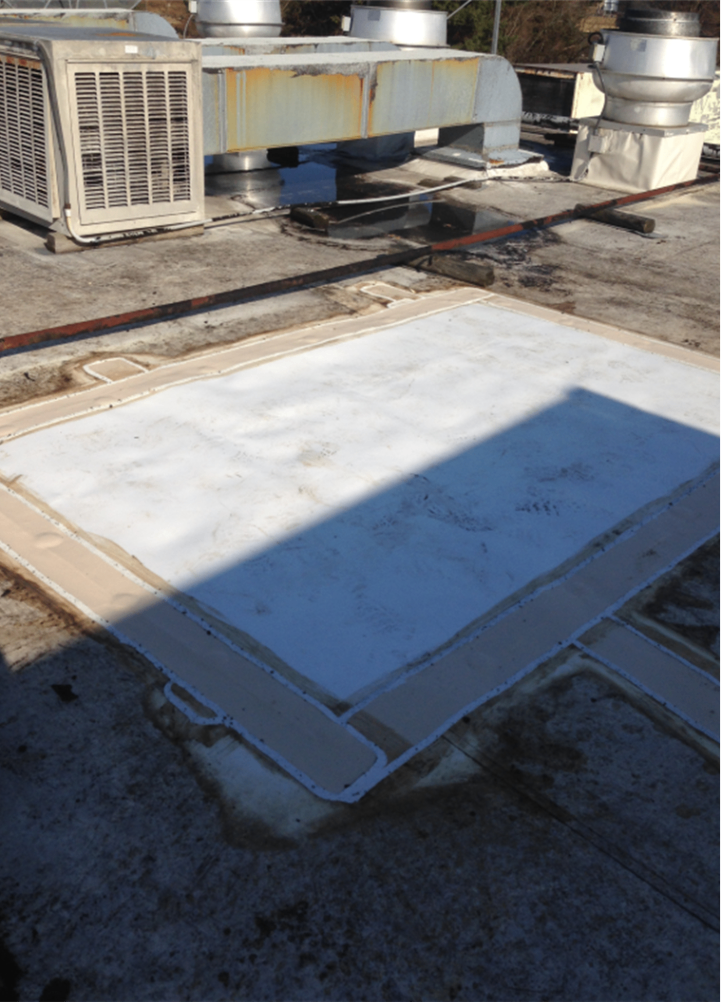
The Side-By-Side Comparison
When to Monitor: The “Wait and See” Approach
At Peninsula Roofing Company, Inc., we don’t believe in “selling” a new roof when a repair or simple monitoring is the more responsible choice. Not every crack or bubble is an emergency.
Monitoring Alligatoring
If you notice very fine, superficial cracks that haven’t reached the underlying layers of the roof, you can usually wait. This is common in the mid-life of an asphalt roof. We recommend a professional inspection every six months to ensure the cracks aren’t deepening. Often, a professional-grade roof coating can seal these small cracks and provide another 5 to 10 years of life to the roof without a full tear-off. You can learn more about these options on our services page.
Monitoring Blisters
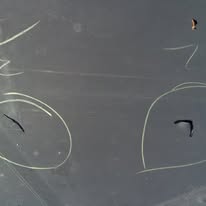
Small blisters (less than the size of a dinner plate) that are “closed”: meaning they haven’t popped or cracked: are often best left alone. As long as the blister is away from a seam and isn’t in a high-traffic area where someone might step on it, it isn’t necessarily a leak risk. Cutting into a blister to “fix” it actually creates a new seam that must be maintained. If the blister isn’t growing and the membrane remains intact, we usually advise our Salisbury, MD clients to keep an eye on it during their regular maintenance program.
When to Fix: The Red Flags
There comes a point where “monitoring” turns into “neglecting.” If you see any of the following, it’s time to call in the pros before a minor issue turns into a massive interior renovation project.
Alligatoring Becomes a Concern When:
- Cracks Reach the Felt: If the cracks are deep enough that you can see the fabric (felt) underneath, water is already being absorbed into the roof system.
- Water is Retained: If the cracks are holding water like a sponge long after the rain stops, your roof is no longer shedding moisture.
- Flaking: If pieces of the roof are actually flaking off when you touch them, the membrane has lost all structural integrity.
Blistering Becomes a Concern When:
- The Blister is “Breathing”: If the bubble is massive and you can see it physically expand in the sun and contract at night, the stretching will eventually cause the membrane to fail.
- Ruptures: If a blister has popped or has a crack on its surface, it is now an open funnel for water to enter your building.
- Proximity to Seams: If a blister is pushing against a seam or a roof penetration (like a vent or HVAC unit), it can pull the seam apart, leading to a major leak.
- High Traffic: If the blister is in a walkway, it will be stepped on and it will pop. These need to be addressed immediately.
The Peninsula Roofing “Repair First” Philosophy
Since 1947, our family has served the Delmarva area. We’ve seen enough roofs to know that a full replacement is a significant investment for any business owner or homeowner in Salisbury, MD. That’s why we take a “repair first” approach.
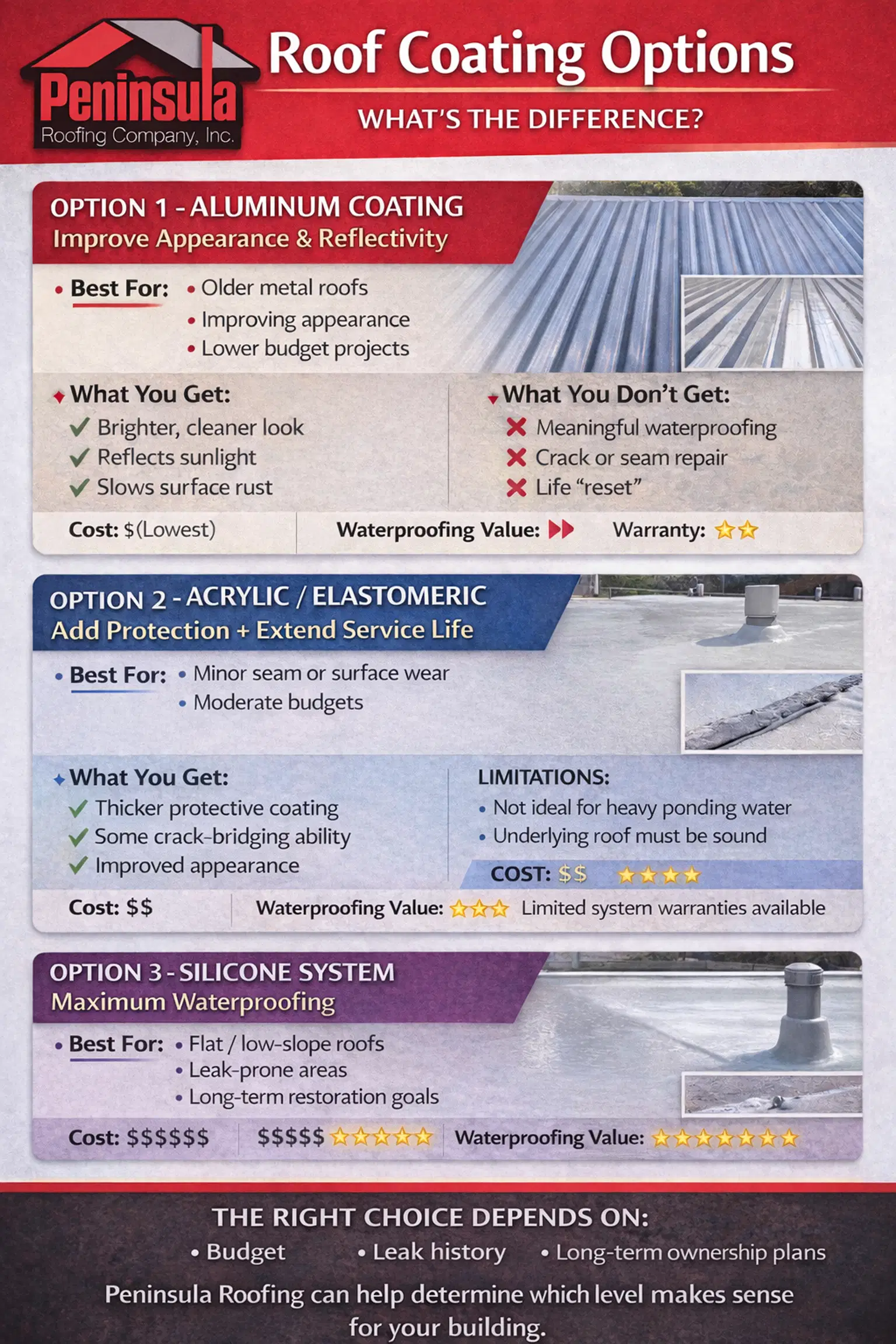
If your roof is alligatoring but the structure is sound, we might recommend a silicone or elastomeric coating system. These coatings can bridge those cracks, reflect UV rays, and effectively “reset” the clock on your roof’s life.
If you have blisters, we don’t just patch over them. We carefully cut them out, dry the area, and apply a reinforced patch that integrates perfectly with your existing membrane. Our goal is to extend the life of your current asset until a replacement is absolutely necessary.
The Role of the Salisbury, MD Climate
Our local climate plays a massive role in these two conditions. The high humidity on the Eastern Shore means that moisture is often present during roof installations if the contractor isn’t careful. This humidity is a prime driver of blistering.
Additionally, we get “baking” sun followed by sudden cooling thunderstorms. This rapid temperature change, known as thermal shock, is exactly what causes brittle, alligatored roofs to split. Knowing the local weather patterns allows us to choose the right materials and timing for your repairs.
Final Thoughts for Property Owners
Sean, whether you’re looking at a roof over a downtown Salisbury storefront or a flat roof on a modern home, the key is early detection.
- Walk your roof: (Safely!) once a quarter.
- Check for the “Gator”: Look for those scaly patterns.
- Look for the “Bubbles”: Feel if they are soft or pressurized.
- Clear the drains: Ponding water makes both problems worse.
If you’re unsure whether that bubble is a “watch” or a “fix,” don’t guess. We’ve been the trusted name in Salisbury roofing for decades. We can provide a comprehensive assessment and a plan that fits your budget.
If you’re ready to have a professional take a look, you can reach out to us through our contact page or learn more about our history and why we care so much about our local community on our about us page.