

As we celebrate 250 years of American history, it’s a great time to look at how the very roofs over our heads have changed since the days of the founding fathers. While the basic goal: keeping the rain out: hasn’t changed, the materials and technology we use today would look like science fiction to a settler in early Salisbury, MD.
At Peninsula Roofing Company, Inc., we’ve been part of this story since 1947. That’s over 75 years of watching Delmarva’s architecture evolve, from traditional shingles to modern energy-efficient systems. But to understand where we are now, we have to look back at the humble beginnings of American shelter.
The Colonial Era: Thatch and Hand-Split Shakes
In the early 1600s, the first English settlers in places like Jamestown and early Maryland settlements didn’t have the luxury of hardware stores. They brought over what they knew from Europe: thatch. Using marsh grasses, reeds, and straw, early Americans wove thick, steep roofs that were surprisingly good at shedding water but had one major drawback: they were incredibly flammable.
As settlers began to explore the vast forests of the New World, they realized that the local timber was a goldmine for roofing. By the mid-1600s, the “American shake” was born. Unlike the sawn shingles you’ll see from modern roofing companies in salisbury md, these were split by hand.
The Tools of the Trade: Froe and Mallet
If you were a roofer salisbury in the 1700s, your most prized possessions would be a froe and a mallet. A froe is a heavy, L-shaped blade. You’d place the blade on a block of cedar, white pine, or oak, and whack the top with a wooden mallet to split off a thin slice of wood.
These early shakes were then finished with a drawknife on a “shaving horse” to taper one end, allowing them to overlap perfectly. It was a labor-intensive process that required a deep knowledge of wood grain: a level of craftsmanship that we still respect today at Peninsula Roofing.
Regional Styles and the “Old World” Influence
Early American roofing wasn’t a one-size-fits-all solution. Depending on where you lived and where your family came from, your roof looked very different:
- English & Dutch: In the Mid-Atlantic and New York, Dutch settlers initially imported clay tiles from Holland. Eventually, they started manufacturing their own in the Hudson Valley.
- Scandinavian: Settlers in the Delaware Valley introduced log cabin styles with heavy wood-plank roofs.
- German: German immigrants brought a tradition of heavy, durable clay tiles that can still be seen in some historic Pennsylvania and Maryland communities.
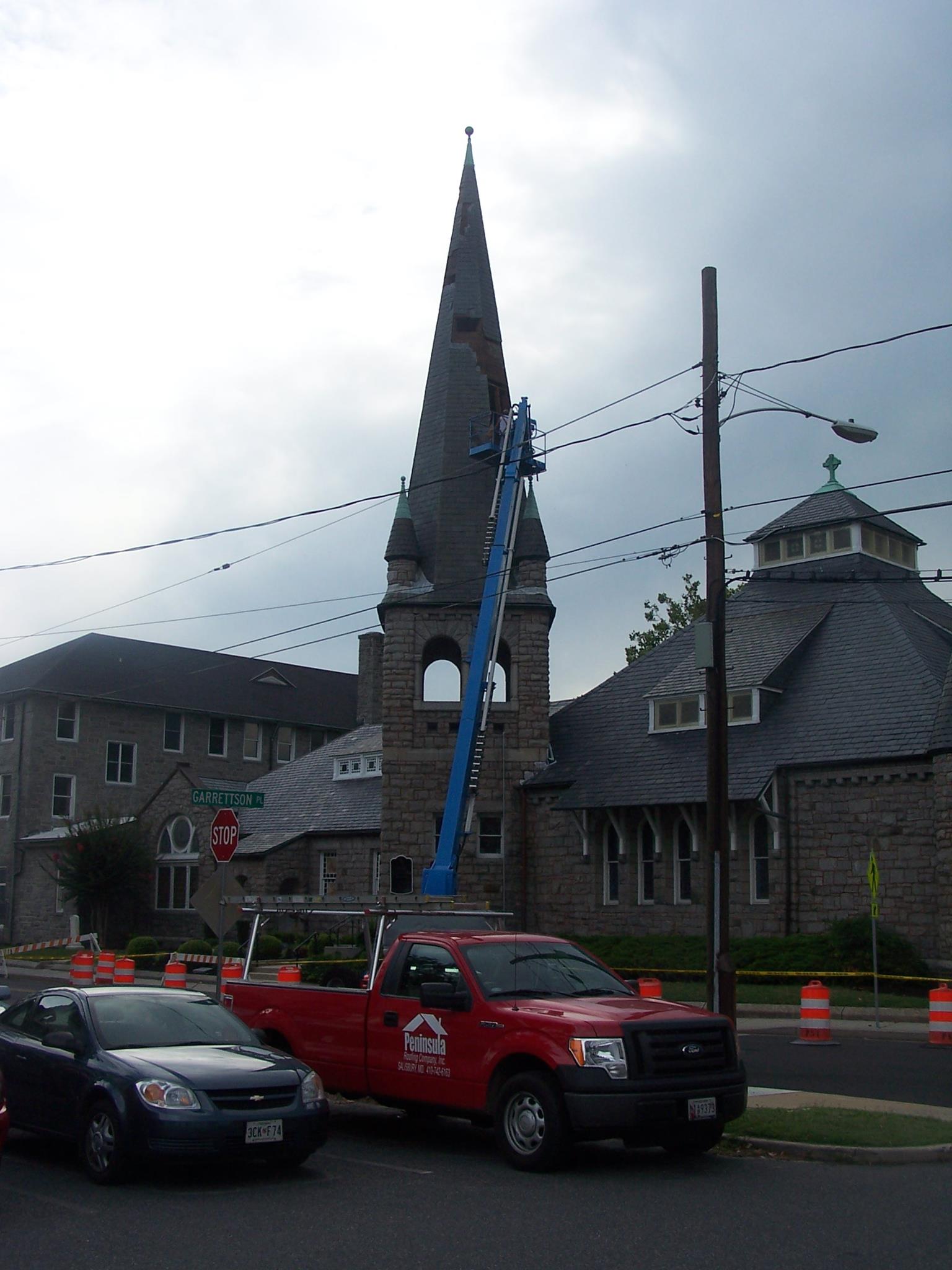
The Great Fire Risk: A Shift to Slate
As colonial towns grew into dense cities like Boston, Philadelphia, and New York, wood shingles became a major liability. One chimney spark could level an entire block. In fact, as early as 1631, Boston officials banned thatched roofs and wooden chimneys to prevent “great fires.”
For the wealthy and for urban commercial buildings, the answer was slate. In the early colonial days, high-quality slate was actually imported all the way from Wales. It was heavy, expensive, and required a very sturdy roof structure, but it was virtually fireproof.
By the late 1700s, we began to see the shift from vertical to horizontal roof sheathing (the boards the shingles sit on), which provided a more stable base for these heavier stone materials. This transition was a major milestone in American construction, paving the way for the sophisticated systems modern salisbury roofers install today.
The 1800s: Steam Power and Mass Production
The 19th century changed everything. With the advent of the Industrial Revolution, the hand-split shake began to fade. Steam-powered sawmills could churn out thousands of uniform wood shingles in a fraction of the time it took a man with a froe.
This era also saw the expansion of American slate quarries, specifically in the “Slate Belt” of Pennsylvania and the Peach Bottom region near the Maryland border. Suddenly, durable stone roofs weren’t just for the ultra-wealthy in London or Boston; they became accessible to the growing middle class in Maryland and beyond.
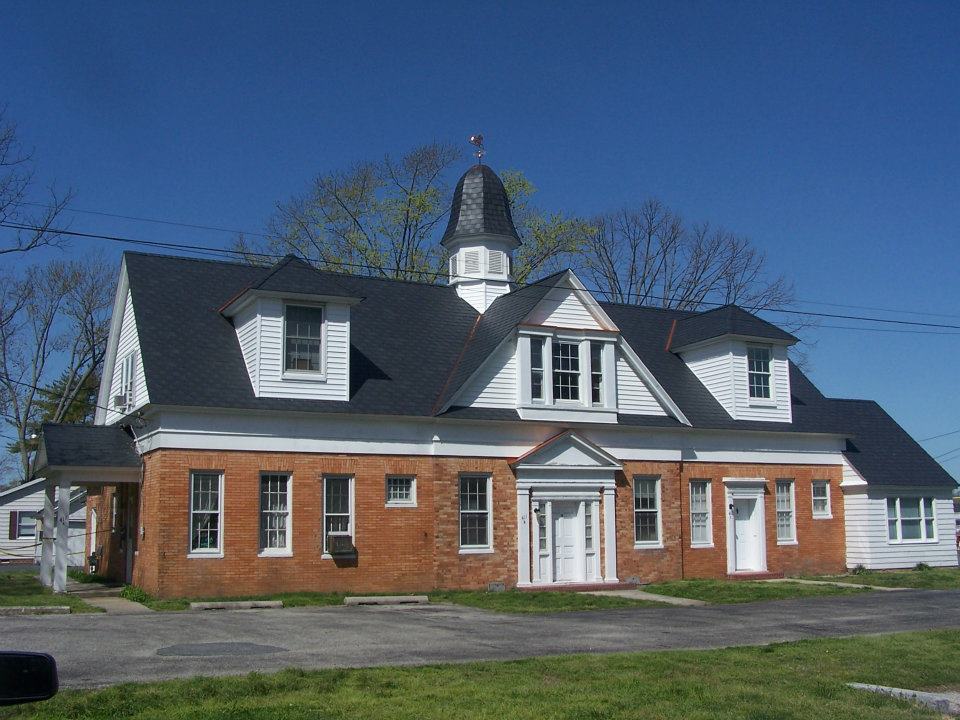
The 20th Century: The Rise of Asphalt
If you walk down any street in Salisbury, MD today, you’ll mostly see asphalt shingles. But this wasn’t always the case. Asphalt “composition” shingles didn’t even exist until the early 1900s.
They were invented by saturating a fabric base with asphalt and coating it with crushed stone granules for protection. By the 1920s and 30s, they became the standard because they were cheap, fire-resistant, and relatively easy to install. While the technology has improved drastically: with modern architectural shingles offering incredible wind resistance and lifespan: the basic concept remains the same one that revolutionized the industry a century ago.
Peninsula Roofing: 75+ Years of Delmarva Expertise
When Peninsula Roofing Company, Inc. was founded in 1947, the roofing world was in the midst of another transition. Post-war growth meant a huge demand for reliable, cost-effective roofing. Since then, we’ve handled everything from historic restorations to massive commercial flat roofs.
While we use modern materials like TPO, high-performance asphalt, and custom metal, we haven’t forgotten the lessons of the last 250 years. We know that a roof is only as good as the craftsmanship behind it. Whether we’re working on a residential project or a large-scale commercial roof, we bring a legacy of quality to every job.
Coastal Challenges: Then vs. Now
Living in Salisbury, MD means dealing with a specific set of challenges that colonial settlers also faced:
- Salt Air: The humidity and salt from the Atlantic and the Chesapeake can eat through inferior materials.
- Storms: High winds and heavy rains are a constant threat on the Delmarva Peninsula.
- Humidity: In our climate, moisture can lead to rot and mold if a roof isn’t properly ventilated: a lesson early settlers learned the hard way with their thatched roofs.
Today’s roofing salisbury md professionals have to account for these coastal factors. That’s why we focus on high-quality underlayments and ventilation systems that the early colonists could only dream of.
Why 250 Years of History Matters to Your Home
You might wonder why a roofer salisbury needs to know about 18th-century shakes. It’s because roofing is a cumulative science. We’ve learned through centuries of trial and error what works in our Maryland climate and what doesn’t.
When you look for roofing companies salisbury md, you want someone who understands the “why” behind the “how.” At Peninsula Roofing, we combine that historical perspective with the latest training and technology. We don’t just see a roof; we see a protective barrier that has evolved over centuries to keep your family safe and dry.
Secure Your Piece of the Future
Whether your home is a historic Salisbury gem or a brand-new construction, it deserves a roof that will last for decades to come. Don’t settle for “good enough” when it comes to your home’s most important defense.
As one of the leading roofers in salisbury md, Peninsula Roofing Company, Inc. is proud to offer:
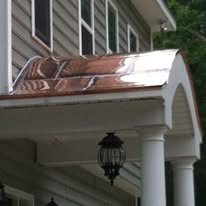
- Residential Roofing: From classic asphalt to specialty metal and copper work.
- Commercial Solutions: Durable systems designed for the unique needs of business properties.
- 24/7 Emergency Service: Because storms don’t wait for business hours.
- Honest Assessments: We’ll never tell you that you need a replacement if a repair will do.
Ready to see how 75+ years of experience (and 250 years of American roofing know-how) can help your property?
Contact us today for a FREE roof inspection. Let’s make sure your roof is ready for whatever the next century brings!