

For those of us living on the Eastern Shore, we are well-acquainted with the rhythmic patterns of the weather. We know the humidity of a Maryland July, the biting winds of a January morning, and the occasional drama of a late-summer hurricane. However, tornadoes are a different story. Tornadoes aren’t exactly a daily occurrence in Salisbury, MD. Because they are relatively rare here compared to the Midwest, it is easy for homeowners to let their guard down.
When the sky turns an unsettling shade of green and the wind begins to howl with a freight-train roar, knowing the difference between a “Watch” and a “Warning” can be life-saving. At Peninsula Roofing Company, Inc., we’ve spent over 75 years helping our neighbors recover from the elements. While our primary job is ensuring your home is protected from above, we believe that true safety starts with being informed.
The Science of a Twister: How Tornadoes Form
Tornadoes are among nature’s most violent and unpredictable events. While they can happen at any time of year, they are most common during the spring and early summer when the atmosphere is in a state of transition. For a tornado to touch down in a place like Salisbury, a specific “recipe” of atmospheric conditions must be met.
1. Warm, Moist Air
The primary fuel for any severe thunderstorm: and the tornadoes they can produce: is warm, moist air. In our region, this often flows up from the Gulf of Mexico or off the Atlantic Ocean. This humid air acts as energy for the storm.
2. Atmospheric Instability
Instability occurs when warm air near the ground is trapped under a layer of much cooler air higher up in the atmosphere. Because warm air is less dense, it wants to rise. When it is “pushed” upward by a cold front or a sea breeze, it can create massive, towering clouds known as supercells.
3. Wind Shear
This is the “secret ingredient” that turns a standard thunderstorm into a tornadic one. Wind shear refers to a change in wind speed or direction at different heights in the atmosphere. If the wind near the ground is blowing from the south at 10 mph, but the wind a few thousand feet up is blowing from the west at 50 mph, it creates a horizontal rolling effect in the atmosphere. If a strong updraft catches that rolling air and tilts it vertically, a rotating column of air is formed.
When these three elements align, the potential for a tornado increases significantly. While Salisbury doesn’t see these conditions as frequently as “Tornado Alley,” our coastal location can occasionally provide the perfect spark for rotation.
The Critical Difference: Watch vs. Warning
The terminology used by the National Weather Service (NWS) is designed to be clear, but in the heat of a storm, it can be easy to confuse the two. Here is the breakdown that every resident should memorize.
Tornado Watch: “Be Prepared”
A Tornado Watch means that the ingredients for a tornado are present in the atmosphere. It does not mean a tornado has been spotted or even that one is definitely going to form. It simply means that you should stay alert.
During a watch:
- Monitor the news: Keep a weather radio handy or stay tuned to local Salisbury stations.
- Check your supplies: Ensure your flashlight has batteries and your phone is charged.
- Review your plan: Make sure everyone in your household knows where the designated “safe spot” is.
- Inspect your surroundings: If you have time, ensure loose patio furniture or debris is secured so it doesn’t become a projectile.
Tornado Warning: “Take Action”
A Tornado Warning is a much more urgent alert. This means that a tornado has either been sighted by a trained spotter or indicated by weather radar. Danger is imminent.
During a warning:
- Stop what you are doing: Do not go outside to look for the funnel.
- Seek shelter immediately: Move to your pre-determined safe location.
- Stay there: Do not leave your shelter until the warning has expired or local authorities give the all-clear.
Where to Take Shelter in Your Salisbury Home
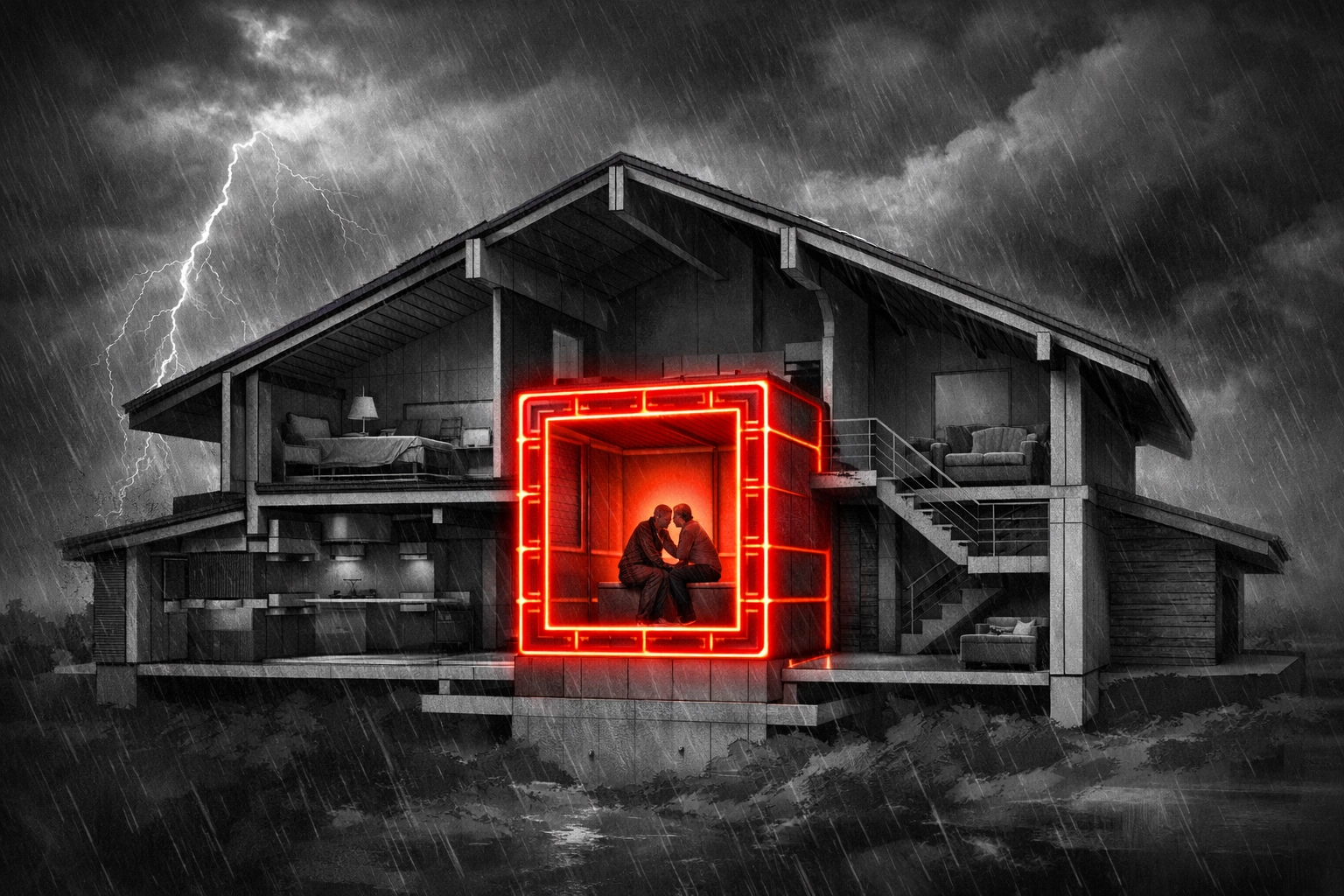
When a warning is issued, you may only have seconds to act. Knowing exactly where to go is vital. In Salisbury, MD, many homes do not have traditional basements due to the high water table of the Delmarva Peninsula. If you don’t have a basement, you need to find the “next best thing.”
The Lowest Floor
Always head to the lowest level of your home. If you live in a multi-story house, get to the ground floor immediately.
Interior Rooms
Find a room that is as close to the center of the building as possible. Great options include:
- Small Closets: These provide extra structural framing around you.
- Hallways: As long as they don’t have doors leading directly outside.
- Bathrooms: The plumbing pipes in the walls can sometimes provide additional structural integrity.
Stay Away from Windows
Windows are the most vulnerable part of your home during a tornado. High winds can shatter glass, and pressure changes can cause windows to blow outward or inward. Never stand near a window to “watch the storm.”
Protect Your Head
Most injuries during tornadoes are caused by flying debris. If you have time, grab a thick blanket, a mattress, or even a bicycle helmet to protect your head and neck. If you are caught off guard, crouch low to the ground, face down, and cover your head with your arms.
A Note on Mobile Homes and Vehicles
If you are in a mobile home, leave immediately for a sturdier building. Mobile homes, even those with tie-downs, offer very little protection against tornadic winds. Likewise, if you are in a car, do not try to outrun the tornado. Seek shelter in a nearby sturdy building. If no building is available, lie flat in a nearby ditch and cover your head.
Why Preparation Matters for Your Roof and Home
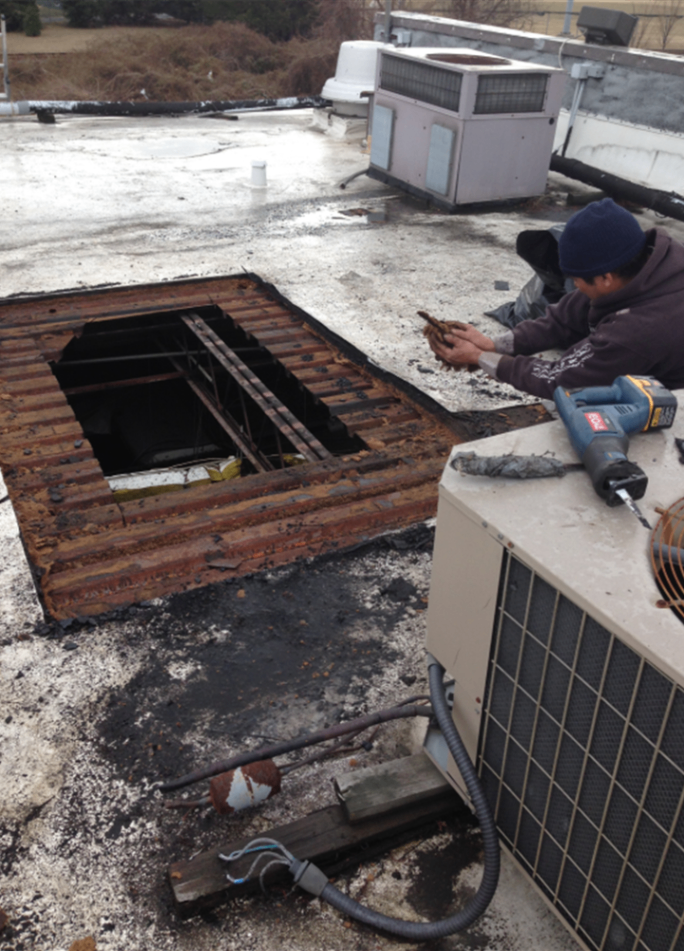
As a premier roofer in Salisbury, we often see the aftermath of high-wind events. Tornadoes generate extreme “uplift” pressure. As wind speeds increase, the air moving over your roof creates a vacuum effect that can literally peel shingles, underlayment, and even plywood decking right off the rafters.
Even a “weak” tornado by national standards (an EF-0 or EF-1) can wreak havoc on Salisbury roofing. Flying branches, displaced gutters, and compromised flashing can lead to immediate water intrusion once the rain follows the wind.
Maintaining Your Resilience
One of the best ways to prepare for the unexpected is through regular maintenance. Roofing companies in Salisbury, MD like Peninsula Roofing Company, Inc. recommend seasonal inspections. We look for:
- Loose or lifting shingles that wind could easily catch.
- Clogged gutters that could cause water to back up under the roofline.
- Overhanging tree limbs that could fall during a storm.
By keeping your roof in top shape, you increase the chances of your home weathering the storm with minimal damage.
What to Do After the Storm
Once the sirens stop and the “all-clear” is given, the recovery process begins. Safety should remain your top priority even after the clouds clear.
- Check for Injuries: Ensure everyone in your family is safe and provide first aid where necessary.
- Watch for Hazards: Be wary of downed power lines, broken glass, and unstable structures. If you smell gas, leave the area immediately.
- Document the Damage: Take photos of your property from a safe distance for insurance purposes.
- Cover Vulnerable Areas: If your roof has been damaged, it is important to get it covered with a tarp as soon as possible to prevent further interior water damage.
24/7 Emergency Storm Response
At Peninsula Roofing Company, Inc., we know that disasters don’t wait for business hours. We have been serving the Delmarva area since 1947, and our 75+ years of experience have taught us how to react quickly when our community is hurting. We offer 24/7 emergency storm response to ensure that your home or business is secured immediately after a severe weather event.
Whether you need a minor repair or a full roof replacement, our team of expert Salisbury roofers is ready to help you navigate the insurance process and get your life back to normal.
Trust the Local Experts
While tornadoes may be rare in our corner of Maryland, the damage they cause is very real. Being prepared: knowing the difference between a watch and a warning, and knowing where to hide: is the best defense you have.
If you are concerned about how your roof might stand up to the next big storm, or if you’ve noticed signs of wear and tear, don’t wait for the sky to turn green. Contact the professionals at Peninsula Roofing Company, Inc. today. From residential shingles to commercial flat roofs, we provide the expertise and reliability that Salisbury residents have trusted for generations.
Stay safe, stay informed, and remember that when it comes to your home’s protection, we’ve got you covered.