When a major storm rolls through Salisbury, MD, the immediate aftermath is usually a mix of relief that the weather has cleared and anxiety over the state of your property. Whether it was a heavy Nor’easter or a summer thunderstorm with high winds, your roof is your first line of defense. Unfortunately, the process of filing an insurance claim can be just as stressful as the storm itself.
At Peninsula Roofing Company, Inc., we’ve been helping our neighbors navigate these waters since 1947. We’ve seen homeowners miss out on thousands of dollars in legitimate repair costs simply because they didn’t know the “rules of the game” for insurance claims. To help you protect your investment, we’ve put together this guide on the seven most common mistakes property owners make when dealing with storm damage, and how working with experienced roofing companies in Salisbury, MD, can make all the difference.
1. Failing to Document the Damage Immediately
The most common mistake happens before the insurance company is even called. Many homeowners take a quick look from the driveway, see that most of the shingles are still there, and assume everything is fine. Or, if they do see damage, they wait several days to document it.
In the world of insurance, documentation is everything. You need to capture the “before and after” as clearly as possible.
- Take Wide Shots: Show the context of the house and the surrounding yard (fallen limbs, debris).
- Take Close-Ups: Focus on specific areas where shingles are missing, dented, or creased.
- Don’t Forget the Interior: If there are water spots on your ceiling or dampness in the attic, document those immediately.
Insurance adjusters are often dealing with hundreds of claims after a storm. Having a clear, dated photo record makes it much harder for them to claim the damage was pre-existing.
2. Not Understanding Your Policy Exclusions
Not all “storm damage” is created equal in the eyes of an insurance provider. A major pitfall for Salisbury, MD homeowners is assuming their standard homeowners’ policy covers every type of weather event.
For example, many policies distinguish between wind damage (which is usually covered) and flood damage (which often requires a separate policy through FEMA or a private provider). If a storm surge from the Wicomico River causes water to enter your home, your standard roofing coverage might not apply. Furthermore, issues like “wind-driven rain”, where water is forced under shingles without physical damage to the roof, can be a grey area.
Before the next storm season hits, we recommend reviewing your policy. If the language is too dense, a reputable Salisbury roofer can often help you understand what typically qualifies for a claim in our specific coastal environment.
3. Waiting Too Long to File
Life gets busy, and if your roof isn’t actively leaking into your living room, it’s easy to push a “minor” claim to the bottom of your to-do list. This is a massive mistake. Most insurance policies have a strict window, often one year, but sometimes as short as 30 to 60 days, during which you must report the damage.
Even if you don’t think the damage is severe, filing a “notice of loss” protects your right to a full inspection. Small issues ignored today can lead to major structural rot or mold issues six months from now. By then, the insurance company may argue that the damage worsened because you failed to take timely action, potentially leading to a denied claim.
4. Making Permanent Repairs Before the Inspection
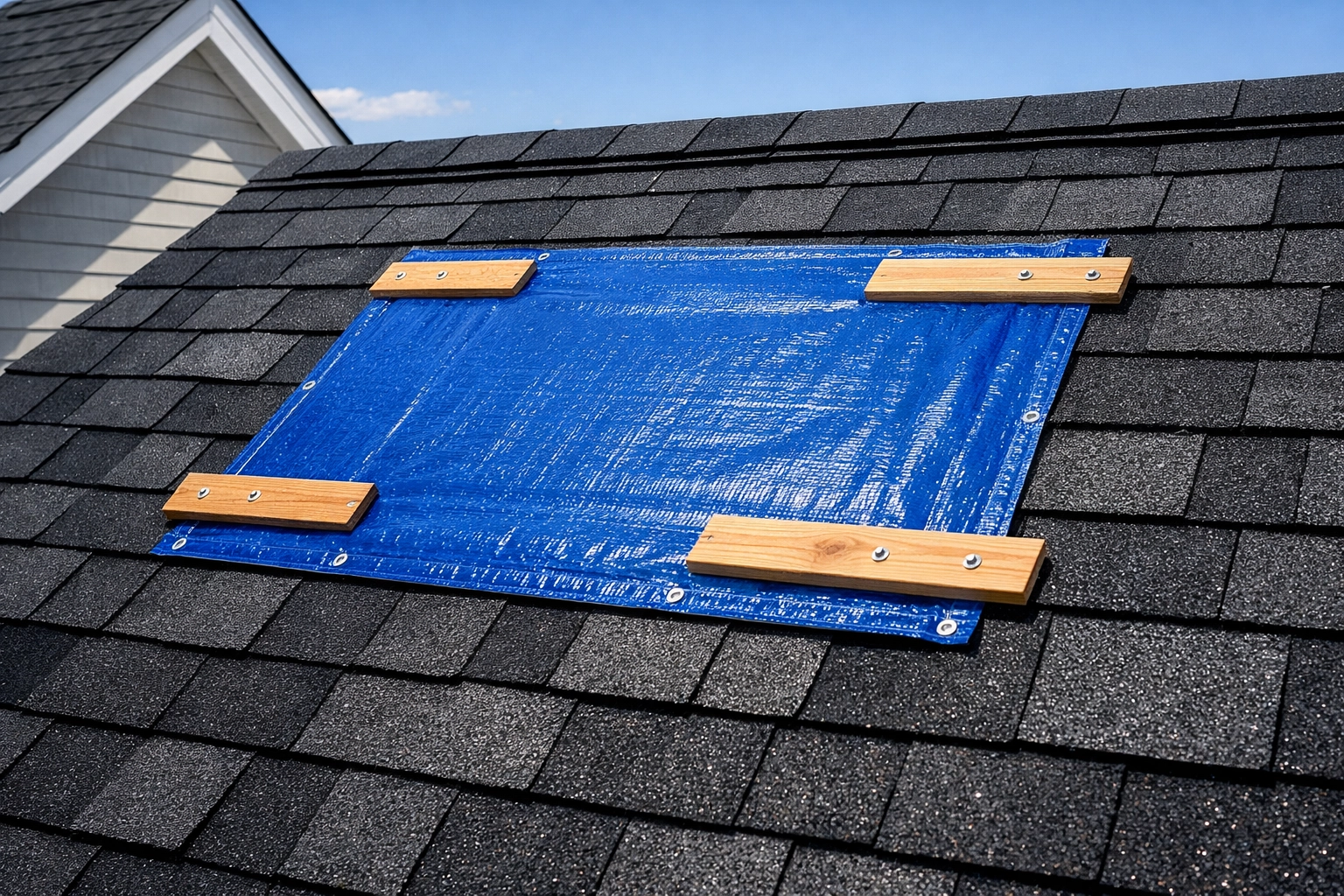
When you have a hole in your roof, your first instinct is to fix it. This is a good instinct, homeowners are actually required to “mitigate” further damage. However, there is a big difference between a temporary fix and a permanent repair.
- Do: Use a tarp or temporary sealant to stop active leaks. Keep all receipts for materials and labor.
- Don’t: Replace entire sections of shingles or structural decking before the adjuster has seen the original damage.
If you make permanent repairs, the adjuster cannot verify the extent of the loss. They might refuse to reimburse you for the work already done because they couldn’t see the “evidence.” When you work with professional roofing companies in Salisbury, MD, we can provide emergency tarping services that protect your home while preserving the evidence needed for your claim.
5. Accepting the First Settlement Offer Without Question
It’s important to remember that insurance adjusters, while professional, work for the insurance company. Their goal is to settle the claim for the lowest justifiable amount.
Many homeowners receive a check in the mail and think, “Well, that’s that.” In reality, the first offer is often based on a “desk adjust” or a quick walkthrough that might miss the nuances of local building codes or the current cost of materials in Salisbury.
Did they account for the cost of removing the old roof? Did they include the cost of flashing or ice and water shields required by Maryland building codes? If the settlement feels low, you have the right to request a re-inspection or provide a counter-estimate from a local contractor.
6. Falling for “Storm Chasers” Instead of Local Salisbury Roofers
After a major storm, you’ll likely see out-of-state trucks roaming through neighborhoods in Salisbury, MD. These “storm chasers” specialize in high-volume, low-quality insurance work. They often promise to “pay your deductible” (which is actually insurance fraud) and push for a quick signature.
The problem? Once the check is cashed and the roof is on, they disappear. If that roof leaks a year later, your “warranty” is worthless because the company is three states away.
Choosing local Salisbury roofers like Peninsula Roofing Company ensures you are working with someone who understands the local climate and will be here to stand behind their work for years to come. We’ve been a part of this community for over 75 years; we aren’t going anywhere.
7. Overlooking Hidden Damage: The “Airplane Wing” Effect
This is the mistake that costs homeowners the most in the long run. Not all wind damage is as obvious as a missing shingle.
A Proactive Roof Maintenance Record Can Protect Your Claim
One overlooked advantage during storm season is having proof you’ve been proactive. A pre-storm roof inspection and a simple maintenance program (documented inspections, minor repairs, and routine cleanings) can help show an insurance carrier that the roof wasn’t neglected and that any sudden issues are consistent with storm-related damage, not long-term wear and tear.
If you’ve got dated inspection notes, photos, invoices, and records of recommended work you completed (even small items like sealing a flashing or replacing a few damaged shingles), it’s much easier to demonstrate:
- The roof’s condition before the storm
- That you took reasonable steps to maintain the roof
- That the damage is new and tied to a specific weather event
In other words: the more “before the storm” documentation you have, the less room there is for arguments about pre-existing damage.
High winds passing over a roof behave much like air passing over an airplane wing. This is known as “wind lift.” As wind speeds up to clear the peak of your roof, it creates a zone of low pressure above the shingles. This pressure differential literally tries to lift the shingles off the deck.
High winds passing over a roof behave much like air passing over an airplane wing. This is known as “wind lift.” As wind speeds up to clear the peak of your roof, it creates a zone of low pressure above the shingles. This pressure differential literally tries to lift the shingles off the deck.
While the shingles might not blow off completely, the “airplane wing” effect can:
- Break the Seal: The thermal seal that bonds shingles together can be broken. Once that seal is gone, the shingles will flap in even minor breezes, eventually wearing out the fastener holes.
- Crease the Shingles: You might see a faint horizontal line across the top of a shingle. This indicates the shingle was lifted and bent backward, damaging the fiberglass mat inside.
- Scour Granules: Wind-driven debris can strip the protective granules off your shingles, exposing the asphalt to UV rays and drastically shortening the roof’s lifespan.
An adjuster might miss these “unsealed” shingles during a sunny-day inspection, but a professional roofing team knows exactly where to look for this hidden structural compromise.
Why Local Expertise Matters
Navigating a storm damage claim is about more than just fixing shingles; it’s about restoring the safety and value of your home. When you work with Peninsula Roofing Company, Inc., you’re getting more than just a repair crew. You’re getting an advocate who knows how to document damage in a way that insurance companies respect.
We understand the specific challenges of the Delmarva Peninsula: from the salt air to the sudden wind gusts. Our team is trained to spot the subtle signs of wind lift and hidden moisture intrusion that others might miss.
If you suspect your roof has sustained damage from a recent storm, don’t navigate the claims process alone. Let us provide a professional assessment to ensure your home is fully protected and your insurance company treats you fairly.
For a comprehensive inspection or to discuss your roofing needs, feel free to contact us or visit our office on N. Salisbury Blvd. We’ve been keeping Salisbury dry since 1947, and we’re ready to help you too.