

As of Monday, November 9, a coastal storm may bring rain and gusty winds to Delmarva Thursday, November 12, into Friday, November 13. The track and strength are still uncertain, so it’s too early to know exactly what conditions each community will see. But there are useful steps you can take today and tomorrow. Before the weather turns.
The goal isn’t to make a roof storm-proof. It’s to spot problems while there’s still time to address them, keep water moving away from your home, and document your property’s condition. For more background on coastal storms, see our guide to what a nor’easter is and how to prepare your roof. Check the National Weather Service forecast for Salisbury for updates as the system develops.
Step 1: Walk the roofline from the ground today
Take a slow look at your roof from the yard or another safe spot on the ground. Use binoculars or a camera with zoom to check ridges, hips, and roof edges. These areas are especially exposed to wind uplift.
Look for shingles that appear lifted, curled, cracked, or missing. Check around the chimney, skylights, and plumbing vent boots for gaps, separated flashing, or visibly failed sealant. You don’t need to diagnose the problem yourself; the point is to spot anything that needs a closer look.
Never climb onto the roof. If you see something concerning, contact a qualified roofer today. Repairs may still be possible before Thursday, but timing and materials matter. Salisbury’s forecast currently shows warmer daytime conditions early this week, but overnight temperatures are cooler. Sealants often need temperatures above about 40–50°F to cure properly, and the product instructions and conditions during curing should guide the work. Ask the contractor whether there’s enough time for the repair to be completed properly, not just quickly.

Step 2: Clear the paths water needs today
Leaves have already fallen in many parts of Delmarva. Clear debris from gutters, roof valleys, and downspouts so wind-driven rain has somewhere to go. If a gutter is blocked, water can back up at the eaves and work beneath shingles. Debris packed into a valley can also hold water where it may be pushed under shingle edges.
Make sure downspouts are connected and discharge 4–6 feet from the foundation. That helps keep storm runoff from collecting beside the house and finding its way toward the basement.
This is the last call for gutter work before the storm. If the gutters are high, the roof is steep, or you don’t have the right equipment, don’t climb a ladder in a hurry. Arrange help from a qualified professional instead.
Step 3: Secure the yard before the wind arrives
Walk around the house and put away or secure anything loose that could strike the roof, siding, or windows if winds strengthen. This might include patio furniture, planters, trash cans, ladders, and lightweight decorations. Wind speeds and gusts remain uncertain, but securing loose objects is a sensible precaution whenever a windy storm is possible.
If dead branches are hanging over the roofline and can be dealt with safely from the ground, address them today. Leave anything higher or difficult to reach to a professional. Don’t rush to make large cuts the day before a storm: a partly cut limb can fail unpredictably when wind picks up.
Step 4: Document your property before the storm
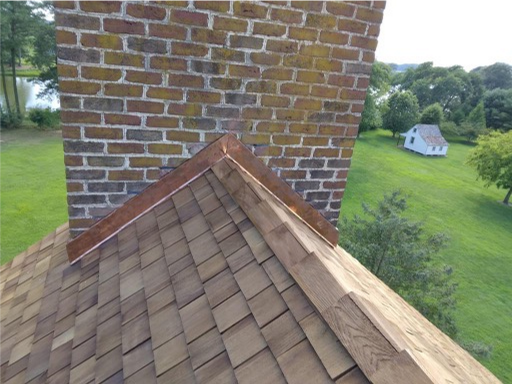
Take timestamped photos and short videos today, while the roof and property are still intact. From the ground, photograph the roofline from several sides, plus gutters, siding, chimneys, skylights, and other visible roof details. Save the files somewhere you can find them after the storm.
These images create a useful before-and-after record if you later need to assess damage. They don’t prove what caused a particular problem, but they can help show what was present beforehand and what appears to have changed.
While you’re preparing, check your homeowners insurance declarations page for a wind, hail, or named-storm deductible. Some coastal policies use a percentage of the dwelling coverage, often 1–5%, instead of a flat dollar amount. Check your own policy or ask your agent what would apply, so you understand your potential out-of-pocket cost before you need to make a claim.
Step 5: Check the attic tonight
If you can access your attic safely, use a flashlight to look at the underside of the roof decking. Check for old stains, damp insulation, darkened wood, or pinpoints of daylight. Note what you find and take photos. Knowing what was there before the storm makes it easier to identify new signs of water entry afterward.
Don’t step on insulation or ceiling material, and don’t enter an attic that feels unsafe. If you see water near wiring or electrical equipment, stay clear and contact a qualified professional.
During and after the storm, never climb onto a wet or damaged roof. If you find a leak, watch for electrical hazards around lights, outlets, and wiring. If the roof is open to the weather, arrange emergency tarping as soon as it’s safe, and keep receipts and photos. Document damage before repairs if you can do so safely, but don’t delay urgent measures needed to protect people or prevent further damage. Contact your insurer promptly; reporting within 24–48 hours is a practical target, though your policy may set its own requirements.
For a step-by-step guide to safe checks and next actions after severe weather, read After the Storm: What to Check on Your Roof.
If the storm damages your roof
A leak or missing shingle doesn’t automatically mean you need a full replacement. A documented problem that’s addressed promptly may be repairable. After the storm, start with a safe ground-level check and contact a roofing professional for an in-person assessment. Our guide to what a roof inspection actually involves explains why close physical checks of shingles, flashing, and other details matter.
Peninsula Roofing Company has served Delmarva since 1947. Our residential and commercial teams provide 24/7 storm response and in-person inspections, no drone-only checks. If you’re comparing roofing companies in Salisbury, MD, ask how they’ll assess the damage and whether they’ll consider a repair before recommending replacement. Our team works to find cost-effective solutions; if replacement is necessary, we handle permits, and financing options are available.
If Thursday or Friday leaves you with roof damage, call us at 410-742-6163 or contact Peninsula Roofing. We’ll help you understand what needs attention and what the next steps should be.